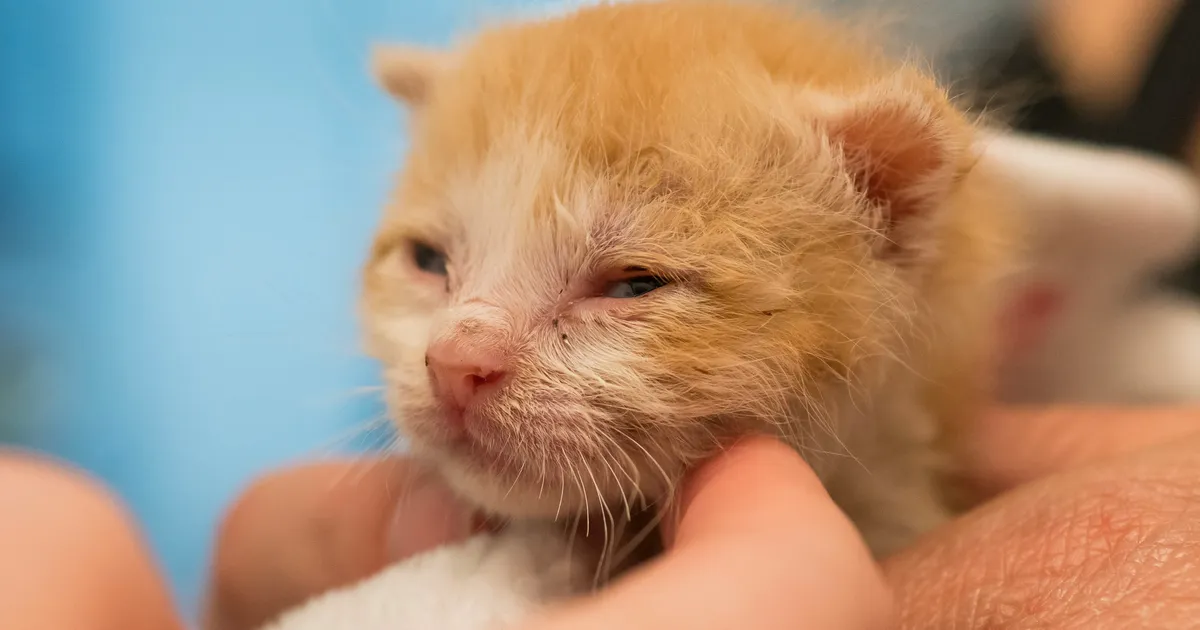

Caring for a newborn rescue kitten is a delicate but rewarding experience. Successfully feeding a kitten who has been orphaned or abandoned requires round-the-clock dedication and careful attention to detail. With the right supplies and a consistent feeding schedule, you can provide the nourishment a tiny kitten needs to grow into a healthy cat. This guide covers essential information on feeding schedules, types of milk replacers, proper feeding techniques, and recognizing potential health concerns. Providing proper nutrition in the critical early weeks significantly improves the kitten’s chances of survival and healthy development. Remember that consulting with a veterinarian is crucial for personalized advice tailored to your kitten’s specific needs.
Assessing the Kitten’s Needs
Before starting any feeding routine, it is important to assess the kitten’s overall health and estimated age. Weigh the kitten using a digital kitchen scale to monitor weight gain accurately. A healthy newborn kitten typically gains weight daily. Check for any signs of illness, such as lethargy, difficulty breathing, or discharge from the eyes or nose. Kittens are extremely vulnerable, and even minor symptoms could indicate a serious problem. If the kitten appears unwell, seek veterinary care immediately. Remember, early intervention is critical for newborn kittens.
Determining the kitten’s approximate age is also crucial for establishing an appropriate feeding schedule and volume. Newborn kittens rely entirely on their mother’s milk for nutrition. Observing physical characteristics like their eyes (closed until about 10-14 days old) and umbilical cord (present for the first few days) can offer clues. A younger kitten will need more frequent feedings than an older one. Kittens between 0-1 week need feeding approximately every 2-3 hours, including overnight, adjusting to every 3-4 hours by weeks 2-3. Proper age assessment allows for a tailored feeding plan to promote optimal growth and development.
Choosing the Right Milk Replacer
Never feed a kitten cow’s milk, as it is indigestible and can cause diarrhea, leading to dehydration and potentially fatal consequences. The best alternative is a commercially available kitten milk replacer (KMR) formulated specifically for kittens. Several reputable brands offer KMR in both powder and liquid forms. Always follow the instructions on the packaging for preparation. Powdered KMR needs to be mixed with warm water to the correct consistency. Prepared KMR should be stored in the refrigerator and discarded after 24 hours to prevent bacterial growth.
When selecting a KMR, consider the ingredients. Look for products that are high in protein and fat to support rapid growth and development. Avoid products containing artificial colors, flavors, or preservatives. A good quality KMR mimics the nutritional composition of a cat’s milk. Introduce new KMR formulas gradually to avoid digestive upset. If you notice any signs of diarrhea or vomiting after introducing a new formula, discontinue use and consult with your veterinarian. Providing a high-quality milk replacer is crucial for replicating natural maternal care.
Homemade Kitten Formula
In emergency situations where KMR is not immediately available, a temporary homemade formula can be prepared. However, always prioritize obtaining KMR as soon as possible. A simple recipe involves mixing evaporated milk (not condensed), plain yogurt (without added sugar or artificial sweeteners), and egg yolk. This will provide a temporary alternative source of nutrients for a short period.
The Kitten-Feeding Essentials
The correct feeding equipment is vital for delivering milk replacer safely and effectively to a newborn kitten. Bottle feeding is typically the easiest method. Use specialized kitten bottles with small nipples designed to prevent choking. Alternatively, small syringes (without needles) can be used, especially for very young or weak kittens. Always sterilize bottles and nipples before each use to prevent bacterial infections. Regular cleaning protocols ensure the kitten’s health and safety.
In addition to feeding tools, you’ll need soft cloths or wipes to clean the kitten after feeding and stimulate urination and defecation (more on this later). A digital kitchen scale is also invaluable for monitoring weight gain. A warm, safe, and comfortable environment is essential for successful feeding. Before feeding, ensure the kitten is warm. A cold kitten cannot digest food properly. A heating pad set on low or a warm water bottle wrapped in a towel can help to maintain the kitten’s body temperature. This mimics maternal warmth which is exceptionally important.
Feeding Techniques and Best Practices
When feeding a kitten with a bottle, hold the kitten in a natural, horizontal position, similar to how they would nurse from their mother. Never feed a kitten on their back, as this can cause aspiration (milk entering the lungs). Gently insert the nipple into the kitten’s mouth and tilt the bottle slightly to allow milk to flow slowly. Allow the kitten to latch on naturally and control the flow of milk by drinking at their own pace. Be patient and avoid forcing the kitten to drink. Some kittens may take time to become accustomed to bottle feeding.
If using a syringe, gently dispense small amounts of milk into the kitten’s mouth, allowing them to swallow between each drop. Avoid squirting milk forcefully, as this can also lead to aspiration. Offer the kitten small amounts of KMR at frequent intervals. Overfeeding can cause digestive upset, while underfeeding can lead to malnutrition. Weigh the kitten daily and adjust the feeding volume based on weight gain and appetite. By 2026, advancements in kitten nutrition should make KMR even more effective. Furthermore, proper feeding techniques enhance the overall growth and well-being of the kitten.
Stimulating Elimination and Hygiene
Newborn kittens cannot urinate or defecate on their own. Their mother would normally stimulate them by licking their anal and genital areas. After each feeding, gently stimulate the kitten by using a warm, damp cloth or cotton ball to stroke the anal and genital areas gently. This encourages urination and bowel movements. Continue until the kitten eliminates. Normally, they should do both after each feed. Record the number of bowel movements as well as the consistency as this an indication of if they are thriving.
Maintain a clean living environment for the kitten. Change bedding regularly to prevent the buildup of bacteria and ammonia. Gently clean the kitten’s face and body with a damp cloth as needed. Avoid using harsh soaps or detergents that can irritate their sensitive skin. Regular grooming not only promotes hygiene but also provides an opportunity to bond with the kitten and assess their overall health. This is especially vital because in 2026, kitten respiratory infections are dangerous and require a heightened awareness of kitten care.
Recognizing and Addressing Potential Problems
Monitor the kitten closely for any signs of illness or distress. Common problems in newborn kittens include dehydration, diarrhea, constipation, and respiratory infections. Dehydration can be identified by sticky gums. If you suspect dehydration, consult your veterinarian immediately. Diarrhea or constipation can be caused by overfeeding, improper formula preparation, or underlying health conditions. Keep an eye on the number/consistency of bowel movements which can be caused by an improper feeding volume.
Respiratory infections can manifest as sneezing, coughing, or nasal discharge. Seek prompt veterinary care. Other signs that warrant veterinary attention include lethargy, loss of appetite, weight loss, and difficulty breathing. Early intervention is crucial for improving the kitten’s chances of survival. Furthermore, maintaining detailed records of feedings, weight, and bowel movements can help your veterinarian diagnose any potential problems. Proactive management is critical for safeguarding the health of the newly rescued kitten. If you choose to foster rather than adopt, keep a careful record to maintain the kitten’s health!
Key Takeaways
- Newborn kittens require round-the-clock care, including frequent feedings every 2-3 hours in the first week of life.
- Always use commercially available kitten milk replacer (KMR) formulated specifically for kittens; never feed cow’s milk.
- Feed the kitten in a horizontal position to prevent aspiration, and allow them to control the flow of milk.
- Stimulate the kitten to urinate and defecate after each feeding using a warm, damp cloth.
- Monitor the kitten’s weight, appetite, and bowel movements closely, and seek veterinary care for any signs of illness.
- Ensure the kitten is kept warm and in a clean environment to promote optimal health and development.
Frequently Asked Questions
How often should I feed my newborn kitten?
Newborn kittens need to be fed every 2-3 hours during the first week of life, including overnight. As they grow, the feeding frequency can be gradually reduced to every 3-4 hours.
How much should I feed my kitten at each feeding?
The amount of milk replacer a kitten needs depends on their age and weight. As a rough guide, kittens typically need about 8 ml of milk replacer per ounce of body weight per day. Consult with your veterinarian for personalized recommendations.
What should I do if my kitten refuses to eat?
If your kitten refuses to eat, try warming the milk replacer slightly. You can also try different feeding methods, such as using a syringe instead of a bottle. If the kitten continues to refuse food, consult your veterinarian immediately.
How long should I continue bottle feeding my kitten?
Kittens can typically start weaning onto solid food around 4-5 weeks of age. Gradually introduce wet kitten food mixed with KMR, and slowly reduce the amount of KMR as the kitten eats more solid food. By 8 weeks of age, kittens should be fully weaned.
What are the signs of a healthy newborn kitten?
A healthy newborn kitten is active, alert, and gaining weight steadily. They should have a good appetite, regular bowel movements, and no signs of illness, such as sneezing, coughing, or diarrhea.
Conclusion
Rescuing and raising a newborn kitten is a labor of love that requires dedication and knowledge. Providing proper nutrition through regular feedings, using the appropriate milk replacer, and employing safe feeding techniques are crucial for their survival. By monitoring their health closely, stimulating elimination, and promptly addressing any potential problems, you can give these fragile creatures the best possible start in life. In 2026, remember that with proper care and attention, you can transform a vulnerable newborn kitten into a healthy, thriving companion. Your investment of time and effort will certainly produce rewarding results.