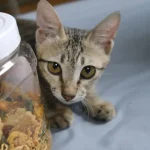


Effective portion control is crucial for managing the weight of overweight felines and improving their overall health. Obesity in cats can lead to various health issues, including diabetes, arthritis, and heart disease. By carefully managing how much your cat eats, you can help them reach a healthy weight and live a longer, happier life. This comprehensive guide provides expert advice and practical techniques for implementing healthy portion control for your cat, ensuring they receive the necessary nutrients without overeating. Remember to always consult with your veterinarian before making significant dietary changes.
Understanding Feline Caloric Needs
The first step in successful portion control is understanding your cat’s individual caloric needs. These needs vary depending on several factors, including age, activity level, and overall health. A young, active cat will generally require more calories than a senior, sedentary cat. Ideally, your vet can help calculate a more precise RER (resting energy requirement), and MER (Maintenance Energy Requirement), which takes into account activity level and neuter status. You can consult online calculators, but they should only serve as guidelines.
Most commercially available cat foods include feeding guidelines on the packaging. However, these are often quite broad and can lead to overfeeding. Also, keep in mind that these are general suggestions and might not accurately reflect your cat’s specific needs. Regular weigh-ins and consultations with your veterinarian are essential to monitor your cat’s progress and adjust their diet accordingly. Remember, small adjustments over time are more effective and safer than drastic changes. Understanding your cat’s body condition score is also critical to determining if your cat is a healthy weight, or indeed overweight.
Measuring Food Accurately
One of the most common mistakes pet owners make is eyeballing their cat’s food portions. This can easily lead to overfeeding, especially if you’re using a large scoop or simply filling the bowl to the top. Investing in a kitchen scale and a standard dry food scoop is essential for accurate portion control. Weighing out your cat’s food in grams ensures that you are providing the exact amount recommended by your veterinarian or the guidelines you’ve established.
Consistency is key, so establish a routine for measuring your cat’s food at each feeding. Don’t forget to factor in any treats or supplemental foods into your cat’s daily caloric intake. Avoid leaving food out all day, as this can lead to mindless snacking and weight gain. Instead, offer meals at specific times of the day and remove any uneaten food after a set period, usually 20-30 minutes. This also encourages your cat to eat their entire meal during the designated feeding time.
Transitioning to Portion Control
Abrupt changes to your cat’s diet or feeding schedule can cause digestive upset and stress. Therefore, it’s vital to transition gradually to a portion-controlled feeding plan. If your cat is used to free-feeding, start by measuring out their daily food allowance and dividing it into multiple smaller meals throughout the day. Over several days or weeks, gradually decrease the amount of food offered at each meal until you reach the target portion size.
Choosing the Right Food
Selecting a high-quality cat food is just as important as portion control. Look for foods that are rich in animal protein and low in carbohydrates. Protein helps to keep your cat feeling full and satisfied, while minimizing carbohydrates reduces the risk of weight gain. Check the ingredient list carefully and avoid foods that contain fillers like corn, wheat, and soy. Instead, choose foods that list meat, poultry, or fish as the primary ingredient. In 2026, there is still a wide variety of high-quality options available to pet owners.
Consider choosing a weight management formula specifically designed for overweight cats. These formulas are typically lower in calories and fat, but still provide all the essential nutrients your cat needs. Some weight management foods also contain added fiber, which can help your cat feel fuller for longer. Also ensure that the food you select has an AAFCO statement that it is a “complete and balanced diet”, which makes sure all required nutrients are present. Always consult with your veterinarian to determine the best food option for your cat’s individual needs and health conditions such as kidney disease or diabetes.
Incorporating Play and Exercise
Weight management isn’t just about diet; it’s also about exercise. Regular play and activity can help your cat burn calories, build muscle mass, and improve their overall health. Provide plenty of opportunities for your cat to be active, such as interactive toys, climbing trees, and puzzle feeders. Schedule daily play sessions with your cat to encourage them to move around and engage their natural hunting instincts. This is especially important for indoor cats.
Make use of toys that mimic prey, such as feather wands or laser pointers, to get your cat moving. Consider using a food puzzle toy to dispense meals during playtime, which makes them work for their food and encourages more movement. Even short bursts of activity can make a big difference in your cat’s weight management efforts. For instance, chasing a laser pointer for 10-15 minutes a day can significantly increase their calorie expenditure. Walking on a leash with your cat may be another option.
Monitoring Progress and Adjusting
Regular monitoring is crucial to determine if your portion control efforts are paying off. Weigh your cat at regular intervals, such as weekly or bi-weekly, and keep track of their weight in a journal or spreadsheet. Also, assess your cat’s body condition score (BCS), either asking your vet to show you, or looking online for examples of this rating chart. If their weight isn’t decreasing or if they are still gaining weight, it may be necessary to further reduce their portion sizes or switch to a lower-calorie food. If your cat is losing weight too quickly, you may need to increase their portions slightly to avoid any health issues.
Consistent communication with your veterinarian is essential throughout the weight management process. They can help you adjust your cat’s diet and exercise plan based on their individual needs and health conditions. They can also monitor your cat for any potential side effects of weight loss, such as hepatic lipidosis (fatty liver disease), which can occur if weight loss is too fast. Remember that weight management is a marathon, not a sprint, and it may take several months to achieve your cat’s ideal weight.
Key Takeaways
- Accurate portion control is critical for managing feline weight.
- Calculate your cat’s caloric needs based on age, activity level, and health.
- Measure food accurately using a kitchen scale and standard scoop.
- Choose a high-quality cat food that is rich in animal protein and low in carbohydrates.
- Incorporate regular play and exercise into your cat’s daily routine.
- Monitor your cat’s progress and adjust their diet and exercise plan as needed.
Frequently Asked Questions
How much should I feed my overweight cat?
The amount of food your overweight cat needs depends on their individual caloric requirements. Consult with your veterinarian to determine the appropriate daily caloric intake based on your cat’s age, activity level, and health conditions. Use a kitchen scale to measure out their food accurately and avoid overfeeding.
What are some healthy treats for overweight cats?
Choose low-calorie treats that are specifically designed for cats. Alternatively, offer small pieces of cooked chicken, fish, or lean meat as a treat. Avoid giving your cat table scraps or treats that are high in calories and fat. Limit treats to no more than 10% of your cat’s daily caloric intake.
How can I encourage my cat to exercise more?
Provide plenty of opportunities for your cat to be active, such as interactive toys, climbing trees, and puzzle feeders. Schedule daily play sessions with your cat to encourage them to move around and engage their natural hunting instincts. Consider using a laser pointer or feather wand to get your cat moving.
Is it safe to put my cat on a diet?
Yes, but only under the guidance of a veterinarian. Rapid weight loss can be dangerous for cats and can lead to health problems such as hepatic lipidosis. Work with your veterinarian to create a safe and effective weight loss plan for your cat. A veterinarian-approved weight loss plan is something to celebrate in 2026.
How long will it take for my cat to lose weight?
The rate of weight loss can vary depending on several factors, including your cat’s metabolism, activity level, and diet. Aim for a gradual weight loss of no more than 1-2% of your cat’s body weight per week. It may take several months to achieve your cat’s ideal weight. Patience and consistency are key.
Conclusion
Implementing healthy portion control techniques is essential for helping overweight felines achieve and maintain a healthy weight. By understanding your cat’s caloric needs, measuring food accurately, choosing the right food, incorporating play and exercise, and monitoring their progress, you can significantly improve their overall health and quality of life. Remember to consult with your veterinarian before making any significant dietary changes. With patience and consistency, you can help your cat live a longer, happier, and healthier life.