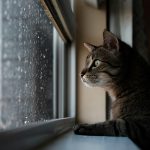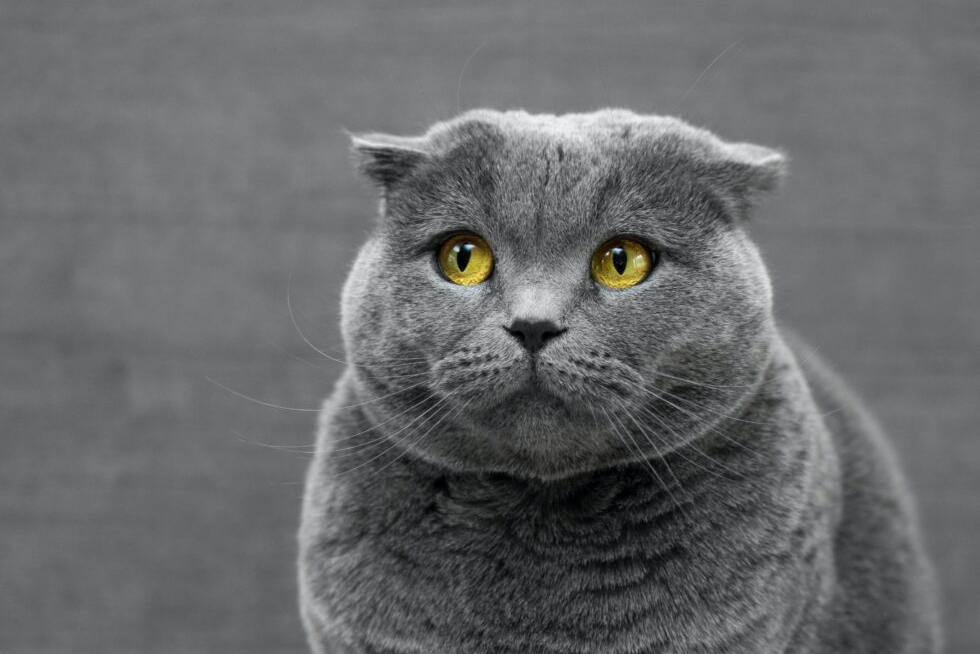
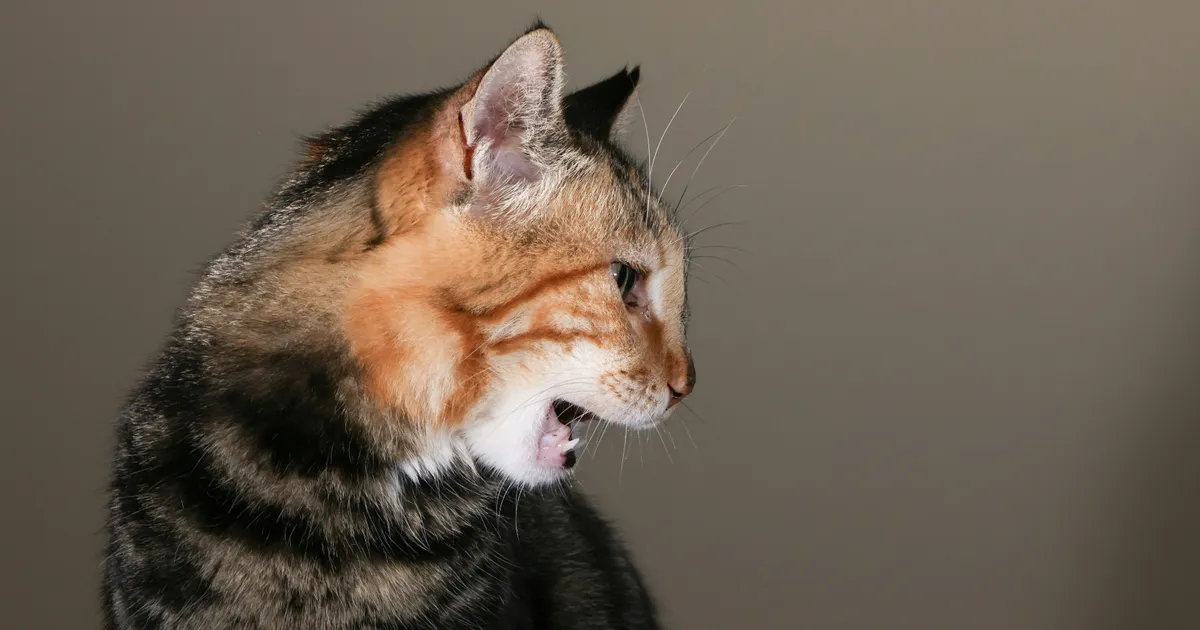

Understanding feline emotional stress is critical for responsible cat ownership. Cats, masters of disguise, often mask their discomfort, making it crucial to decipher their subtle body language cues. Unlike dogs who wear their hearts on their sleeves, cats communicate stress through a complex language of posture, vocalizations, and behavioral changes. By becoming fluent in “cat body language,” you can proactively address stressors, create a more harmonious environment, and foster a stronger bond with your feline companion. Recognizing the signs of stress early can prevent behavioral problems and contribute significantly to your cat’s overall well-being and longevity. In 2026, understanding these nuances is more vital than ever for modern cat owners.
Subtle Signs of Feline Stress
A stressed cat might display changes in their usual demeanor that are easily missed. Look for subtle shifts in posture, such as a lowered body, tucked tail, or flattened ears. Over-grooming is a common sign, often leading to bald patches. Also, increased hiding or avoidance of interaction can signal unease. Watch their eyes; dilated pupils in a well-lit environment can indicate fear or anxiety. Even changes in appetite or litter box habits can be linked to stress. Early detection hinges on being acutely aware of your cat’s normal behavior patterns. Any deviation warrants closer observation and potential intervention.
Pay attention to your cat’s facial expressions. A tense jaw, furrowed brow (yes, cats have brows!), or avoidance of eye contact can all be indicators of anxiety. Twitching whiskers or rapid tail movements (not the slow, contented swish) can also be telling. Cats often reduce their playing and exploration if feeling stressed, becoming withdrawn and less engaged with their surroundings. Recognizing these subtle signs will allow you to identify potential stressors in your cat’s environment and make adjustments to improve their comfort and security. It’s about piecing together a holistic picture that goes beyond obvious signs.
Posture and Body Position
A cat’s posture offers valuable insights into their emotional state, revealing much more than we often consider. A cat holding its body low to the ground, with its tail tucked tightly between its legs, is undoubtedly signaling fear or anxiety. Conversely, an arched back accompanied by piloerection (raised fur) indicates defensiveness or aggression, potentially stemming from stress. Even the way a cat sits or lies down can provide clues; a tense, hunched posture signifies discomfort, while a relaxed, sprawled-out position suggests contentment. Understanding the nuances of feline posture requires careful observation and experience.
Furthermore, the position of a cat’s paws can be indicative of stress. A cat that is kneading excessively or gripping tightly onto a surface may be trying to self-soothe in the face of anxiety. Similarly, a cat that repeatedly shifts its weight from paw to paw may be displaying restlessness and unease. Comparing the physical posture to the environment and circumstances helps reveal whether the cat is feeling secure or on edge. Context plays a crucial role in accurately interpreting even subtle postural changes. Observing these body language clues can also lead you to a better understanding of the cat’s mental state.
Tail Tells: Reading Tail Language
The tail is a highly expressive part of a cat’s anatomy. A tail held high with a slight curve often indicates happiness and confidence. However, a puffed-up tail, sometimes accompanied by arched back fur, can mean fear, aggression, or both. A rapidly twitching or thumping tail suggests agitation or annoyance. This behavior shouldn’t be confused with a slow, gentle swish, which is usually a sign of focus or mild curiosity. Decoding these tail “tells” is essential for gauging your cat’s emotional state, aiding in promoting a calm environment.
Consider the tail’s position relative to the cat’s body. A tail tucked low or between the legs signals fear or submission, suggesting the cat is feeling vulnerable. A lashing tail, moving from side to side, usually means the cat is irritated and may be nearing its breaking point. A vibrating tail, on the other hand, can express excitement or anticipation, although this can sometimes be mistaken for anxiety. Therefore, it’s critical to consider the surrounding context to accurately interpret the meaning behind the tail’s movement. With practice, you can readily spot the differences.
Common Stressors for Cats
Several factors can contribute to feline stress. Changes in the environment, such as moving to a new home or introducing new pets, can be major stressors. Loud noises, such as fireworks or construction, can also trigger anxiety. Lack of environmental enrichment, such as scratching posts or climbing structures, can lead to boredom and stress. Even seemingly small things, like a dirty litter box or a change in food, can upset a sensitive cat. Identifying and addressing these stressors is crucial for maintaining your cat’s emotional well-being.
Ear and Eye Signals of Stress
Ears and eyes are incredibly expressive features on a cat. Ears held forward typically indicate alertness and interest, while ears flattened against the head signal fear, anxiety, or aggression. Swiveling ears suggest vigilance and an attempt to gather information about the surroundings. Similarly, a cat’s eyes can reveal a lot about its emotional state. Dilated pupils in a normally lit environment can point to fear, excitement, or stress. Conversely, constricted pupils may indicate relaxation or aggression.
Slow blinking, often referred to as “cat kisses,” is a sign of contentment and trust. However, an intense, unwavering stare can be a sign of aggression or a prelude to an attack; avoidance is key in this scenario. A cat that is feeling stressed may also exhibit rapid blinking or squinting. Monitoring these subtle ear and eye signals, in conjunction with other body language cues, enables more accurate assessments of your cat’s emotional state and the appropriate responses.
Vocalization and Sounds of Distress
Although cats are known for their purrs, their vocal repertoire extends far beyond that. Hissing and growling are clear indicators of fear, anger, or defensiveness. However, subtle vocalizations like excessive meowing, yowling, or even silence can signify distress. A cat that is constantly meowing may be trying to communicate its anxiety or discomfort. On the other hand, a cat that suddenly becomes unusually quiet may be withdrawing due to stress. Contextualizing the sounds with the cat’s behavior can provide invaluable clues.
Listen for subtle variations in the pitch and tone of your cat’s meows. A high-pitched, frantic meow may indicate pain or extreme anxiety, while a low-pitched, guttural meow can signify aggression. Loud caterwauling is often associated with mating behavior, but it can also occur when a cat is feeling stressed or confined. Recognizing these distinct vocalizations and their corresponding emotional states will enrich your understanding of your cat’s overall well-being, allowing you to address specific anxieties successfully. By 2026, familiarity with these subtle signs will be commonplace, improving feline care.
Behavioral Changes as Red Flags
Significant changes in a cat’s behavior are often red flags indicating underlying stress or health issues. A cat that suddenly starts eliminating outside the litter box may be experiencing anxiety or a medical problem. Changes in appetite, either increased or decreased, can also be indicative of stress. Excessive grooming, leading to hair loss, is a common sign of anxiety and a cat’s way of attempting to self-soothe. Conversely, neglecting grooming can point towards depression or illness. Carefully monitor any deviations from your cat’s normal routine.
Another behavioral change to watch out for is increased aggression, either towards humans or other animals. A normally friendly cat that suddenly becomes irritable may be experiencing pain or fear. Increased hiding or withdrawal from social interaction also suggests stress. Some cats might exhibit repetitive behaviors, such as pacing or excessive licking, as a coping mechanism. Recognizing these behavioral changes as potential signs of feline stress is crucial for prompt intervention and creating a more supportive environment. If these behaviors persist, seeking veterinary guidance is warranted.
Key Takeaways
- Tail position, ear placement, and posture are all key body language indicators of stress.
- Dilated pupils and rapid blinking can suggest anxiety or fear.
- Changes in vocalization, like increased meowing or hissing, can signal distress.
- Behavioral changes, such as inappropriate elimination or excessive grooming, are often red flags.
- Identifying and addressing stressors in the environment is crucial for feline well-being.
- Early detection and intervention can prevent behavioral problems and improve overall health.
Frequently Asked Questions
Why is my cat suddenly hiding?
Increased hiding is often a sign of stress, fear, or illness. Consider whether there have been any recent changes in the environment, such as new pets, loud noises, or changes in routine. If the hiding persists or is accompanied by other symptoms, consult with your veterinarian to rule out any underlying medical conditions.
What does it mean when my cat’s tail is twitching?
A rapidly twitching or thumping tail usually indicates that your cat is agitated, annoyed, or potentially aggressive. It’s a sign that they’re feeling overwhelmed and may need some space. Avoid approaching your cat in this state to prevent a potential scratch or bite.
How can I reduce stress in my cat’s environment?
Provide plenty of enrichment, such as scratching posts, climbing structures, and interactive toys. Ensure your cat has a safe and quiet space to retreat to when feeling overwhelmed. Maintain a consistent routine and minimize exposure to loud noises or other stressors. Providing secure resources like food, water, litter, and resting places is crucial for well-being.
Is excessive grooming always a sign of stress?
While excessive grooming can be a sign of stress or anxiety, it can also be caused by allergies, skin conditions, or parasites. If your cat is over-grooming to the point of hair loss or skin irritation, it’s important to consult with your veterinarian to determine the underlying cause and appropriate treatment plan.
What if I can’t identify the source of my cat’s stress?
Sometimes, the source of stress can be difficult to pinpoint. Keep a detailed log of your cat’s behavior, including when the stress symptoms occur. Consult with your veterinarian or a certified feline behaviorist for guidance. They can help you identify potential stressors and develop a plan to address them. Sometimes, a gradual, holistic approach can make a huge difference in a cat’s wellbeing.
Conclusion
Understanding feline body language is an ongoing journey of observation and learning. By paying attention to your cat’s subtle cues, you can identify and address potential stressors, ultimately enhancing their quality of life. Remember that every cat is an individual, and what constitutes stress for one cat may not affect another. In conclusion, your cat’s behavior is a reflection of external factors and/or internal health ailments. Investing time to learn what normal behavior is, and understanding what triggers the cat, is a rewarding endeavor, leading to a stronger bond with your feline friend and a happier, healthier life for them and improving their overall wellbeing in 2026.