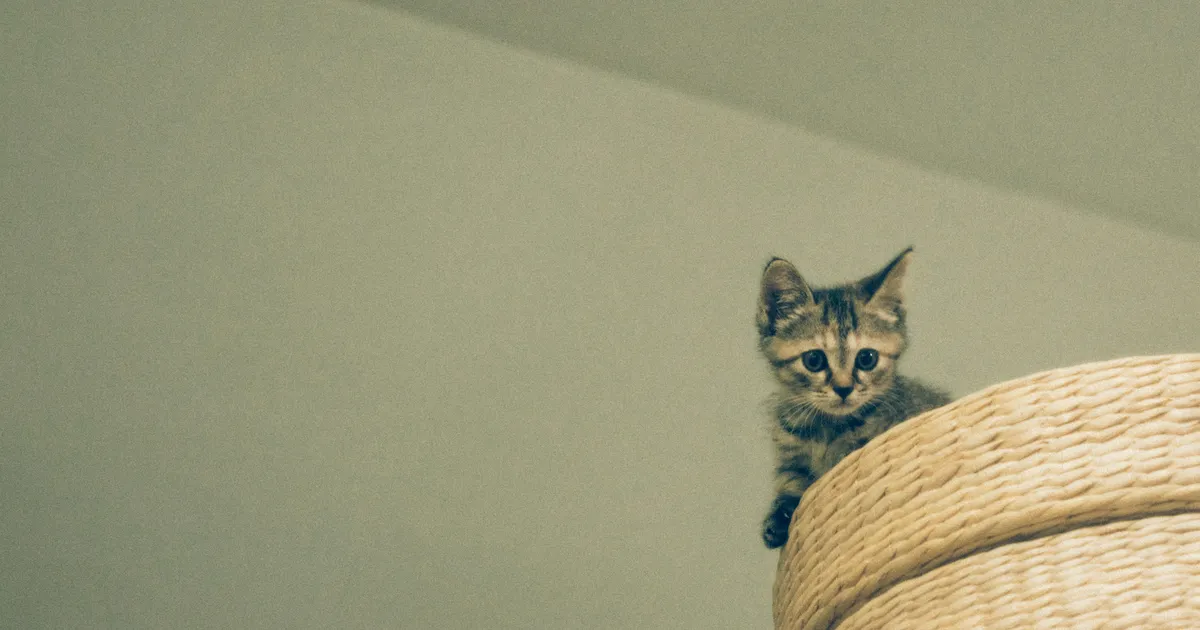

Creative climbing spaces are essential for enriching the lives of indoor kittens, providing crucial physical activity and mental stimulation. Without adequate outlets for their natural instincts to climb, scratch, and explore, kittens can become bored, anxious, and even destructive. By transforming your home with stimulating vertical environments, you can create a haven that caters to their innate needs, improving their overall well-being and strengthening the bond between you and your furry friend. This article explores innovative climbing solutions from DIY projects to store-bought options, ensuring your indoor kitten thrives in 2026.
The Importance of Vertical Space for Kittens
Kittens possess an innate drive to climb high, stemming from their evolutionary history as both predator and prey. Climbing allows them to survey their surroundings from a safe vantage point, boosting their confidence and reducing stress. A lack of adequate vertical opportunities can lead to frustration and the development of undesirable behaviors, such as scratching furniture or scaling curtains. By providing climbing structures, you’re essentially offering an enrichment program that supports their physical and psychological health. Think multi-tiered cat trees, wall-mounted shelves, and even strategically placed scratching posts to create a stimulating environment.
Furthermore, climbing engages a kitten’s muscles and improves their coordination, contributing to their overall physical fitness. It’s crucial to select stable and safe materials when constructing or buying climbing structures. A wobbly or poorly designed setup can deter kittens from using it or even lead to injuries. Regularly inspect structures for any signs of wear and tear and make necessary repairs to maintain a safe and engaging environment. Introducing new climbing elements can help sustain their interest, preventing monotony and encouraging continued exploration. Consider rotating toys and incorporating puzzle feeders to further stimulate their minds while they play.
DIY Climbing Structures: A Creative Approach
Constructing your own climbing structures offers a cost-effective and personalized way to cater to your kitten’s specific needs and preferences. One popular option is repurposing old bookshelves by adding carpet squares or sisal rope for traction. Secure the shelves to the wall studs to ensure stability, and consider staggering the heights for an interesting climbing experience. Another affordable idea is creating a “cat highway” using scrap wood and fabric, mounting shelves at varying levels along a wall to allow your kitten to traverse the room without touching the floor. Remember to prioritize safety by using non-toxic materials and smooth edges.
For a more elaborate project, consider building a multi-level cat tree using plywood, sturdy posts, and soft fabrics. You can customize the size, shape, and features to perfectly suit your space and your kitten’s personality. Incorporate elements like tunnels, hammocks, and scratching posts to enhance the play experience. Before beginning any DIY project, research safe construction techniques and material choices, consulting online resources like Instructables or cat-specific forums. Always test the stability of your creations before allowing your kitten to explore them, and supervise their initial interactions to ensure they feel comfortable and secure.
Safety First: Essential DIY Considerations
When embarking on DIY climbing structures, safety should be the paramount concern. Always use non-toxic glues, paints, and fabrics to avoid harming your kitten. Ensure that all materials are securely fastened, with no sharp edges or protruding nails that could cause injury. Consider using rounded corners and covering any exposed hardware to minimize the risk of accidents. Incorporating safety features into your DIY projects not only protects your kitten but also provides you with peace of mind, creating a positive and enriching environment for them to thrive.
Store-Bought Climbing Solutions: Variety and Convenience
While DIY projects offer customization, store-bought climbing structures provide convenience and a wide range of designs to suit various budgets and spaces. Cat trees are a classic choice, offering multiple levels, scratching posts, and cozy resting spots. Wall-mounted shelves are another popular option, saving floor space and providing a sleek, modern look. Look for options made from durable materials like solid wood or sturdy plastic, and ensure they are weighted or securely mounted to prevent tipping. Reading customer reviews can provide valuable insights into the quality and stability of different products.
Modern cat furniture has evolved beyond basic cat trees to include innovative designs that seamlessly blend into your home décor. Consider climbing walls with interchangeable components, allowing you to customize the layout and reconfigure it as your kitten’s needs evolve. Window perches are also a great addition, providing a sunny spot for lounging and watching the world go by. When purchasing store-bought options, pay attention to the weight capacity and ensure it is appropriate for your kitten’s size and activity level. Regular cleaning and maintenance are essential to keep these structures safe and inviting.
Integrating Climbing Spaces into Your Home Décor
Integrating climbing spaces into your home décor can be achieved without sacrificing aesthetics. Choose climbing structures that complement your existing furniture and color scheme, selecting neutral tones or natural materials that blend seamlessly into the environment. Consider incorporating climbing features into existing furniture, such as adding sisal rope to table legs or creating a climbing wall along a bookshelf. Strategically placing climbing elements near windows or doorways can provide access to natural light and views, enhancing your kitten’s enjoyment of their surroundings.
You can also use climbing structures as decorative elements, displaying plants or artwork on shelves and platforms. This allows you to create a visually appealing space that both you and your kitten can appreciate. Be mindful of maintaining a balance between functionality and aesthetics, ensuring that the climbing structures remain accessible and engaging for your kitten. Experiment with different layouts and configurations to find what works best for your space and your kitten’s personality. Incorporating elements like soft blankets and plush toys can make the climbing spaces even more inviting.
Encouraging Kitten Engagement with Climbing Spaces
Introducing your kitten to new climbing spaces requires patience and positive reinforcement. Start by placing familiar toys or treats on the different levels to entice them to explore. Use a laser pointer or feather wand to encourage them to climb and play. When they successfully navigate the structure, reward them with praise and affection. Avoid forcing them onto the climbing spaces, as this can create negative associations. Instead, let them discover and explore at their own pace. Creating a positive and encouraging environment is key to fostering their confidence and helping them embrace their new climbing areas.
Vary the placement of toys and treats to keep them engaged and motivated to explore different parts of the climbing structure. Consider using catnip or silvervine to further entice them. Observe their behavior and identify their favorite spots and activities, then tailor the climbing space accordingly. Regular interaction with the structure can also help strengthen the bond between you and your kitten. Join them in playtime, using toys to simulate hunting and climbing behaviors.
Troubleshooting Common Climbing Space Issues
Even with the best climbing structures, you might encounter some challenges. A common issue is a kitten being hesitant to use the structure. This can be due to a lack of confidence or unfamiliarity with the environment. Try using pheromone sprays or cat attractants to make the space more inviting. Another issue is a structure that’s unstable or wobbly. Reinforce the connections or add additional support to improve stability. If your kitten is scratching furniture instead of the climbing post, try redirecting their attention with a scratching toy and rewarding them when they use the appropriate surface.
Sometimes, multiple cats may compete for the same climbing space, leading to conflict. Provide multiple climbing structures in different locations to minimize competition. Consider adding a separate resting spot for each cat to ensure they have their own personal space. Observe their interactions and intervene if necessary to prevent bullying or aggression. By addressing these common issues with patience and understanding, you can create a harmonious environment where all your cats can enjoy their climbing spaces.
Key Takeaways
- Vertical space is crucial for a kitten’s physical and mental well-being.
- DIY climbing structures offer personalized and cost-effective solutions.
- Store-bought options provide convenience and a wide range of designs.
- Integrating climbing spaces into your home creatively enhances aesthetics.
- Positive reinforcement encourages kitten engagement with the structures.
- Addressing common issues ensures a harmonious climbing environment for all cats in 2026.
Frequently Asked Questions
How high should a cat tree be for a kitten?
A cat tree for a kitten doesn’t need to be excessively tall. A tree with multiple levels around 4-5 feet high is ideal, providing ample climbing opportunities without being overwhelming. Make sure the spacing between platforms is manageable for a kitten’s developing agility.
What materials are safest for DIY cat climbing structures?
When building your own structures, prioritize non-toxic materials like untreated wood, natural sisal rope, and organic cotton fabrics. Avoid using pressure-treated wood or chemically treated fabrics, as these can be harmful to your kitten. Ensure that any adhesives or finishes are also non-toxic and pet-safe.
How can I encourage my kitten to use a scratching post?
Encourage scratching post use by placing it near their favorite resting areas or scratching targets (like furniture). Rub catnip on the post or dangle a toy nearby to attract their attention. Reward them with praise and treats when they use the post, reinforcing the positive behavior. Consistency is key!
How often should I clean my cat’s climbing structures?
Regular cleaning is essential to maintain a hygienic environment. Vacuum or wipe down the structures weekly to remove hair, dust, and debris. Spot clean any stains or messes immediately. For fabric surfaces, consider using a pet-safe stain remover or washing them periodically according to the manufacturer’s instructions.
What do I do if my kitten is afraid of the cat tree?
If your kitten is apprehensive, introduce the cat tree gradually. Place it in a familiar area and sprinkle it with catnip or treats. Encourage exploration with toys and gentle encouragement. Avoid forcing them onto the tree, allowing them to explore at their own pace. Patience and positive reinforcement will help them overcome their fear in 2026.
Conclusion
Creating creative climbing spaces for your indoor kitten is an investment in their long-term health and happiness. By providing stimulating vertical environments, you’re addressing their innate needs, preventing behavioral issues, and strengthening the bond between you and your feline companion. Whether you opt for DIY projects or store-bought solutions, remember to prioritize safety, stability, and enrichment. With a little creativity and effort, you can transform your home into a haven where your kitten can thrive, climb, and explore for years to come. Websites like the ASPCA’s website offer great advice on cat enrichment. Always consult your veterinarian with specific health and training concerns.