
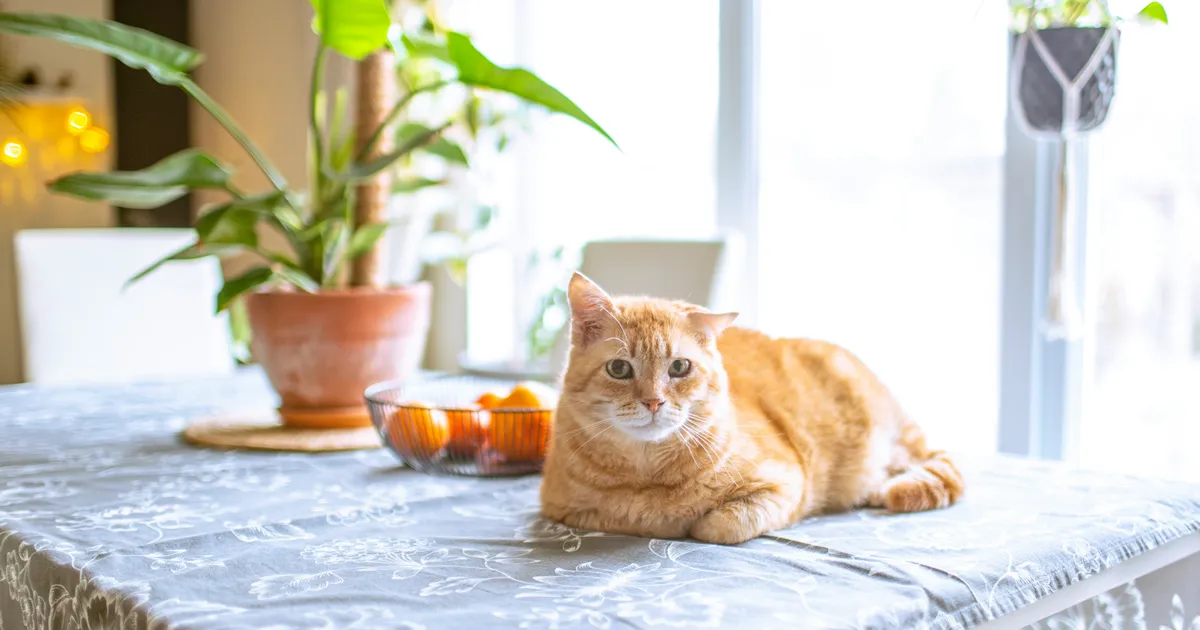

Grain-free diets are increasingly popular for indoor cats, driven by concerns about allergies, sensitivities, and overall health. Many cat owners are seeking alternative food options that cater to their feline companions’ carnivorous needs, and seafood offers a nutritious and palatable solution. By focusing on fish and other marine proteins while excluding grains like wheat, corn, and soy, you can create delectable and healthy meals for your indoor cat. This article will explore a variety of grain-free seafood recipes perfect for your feline friend, ensuring they receive the essential nutrients they need to thrive in 2026.
Understanding Grain-Free Diets for Cats
Cats are obligate carnivores, meaning their bodies are designed to derive nutrients primarily from animal sources. Grains, often used as fillers in commercial cat food, can be difficult for cats to digest and may contribute to health issues such as allergies, obesity, and digestive problems. Opting for a grain-free diet allows you to prioritize protein and healthy fats, mimicking a cat’s natural prey and supporting optimal health. Many veterinarians now acknowledge the benefits of grain-free diets, particularly for cats with specific sensitivities or health concerns.
Seafood offers an excellent alternative protein source, rich in omega-3 fatty acids, which are crucial for maintaining healthy skin, a glossy coat, and proper joint function. Additionally, seafood is often highly palatable to cats, making it easier to transition them to a grain-free diet. However, it’s essential to select appropriate types of seafood and prepare them safely to avoid potential health risks. This includes ensuring the fish is properly cooked to eliminate parasites and avoiding species high in mercury.
Safe Seafood Choices for Indoor Cats
Not all seafood is created equal when it comes to feline nutrition. Certain types of fish are safer and more nutritious than others. Salmon, tuna (in moderation), cod, and sardines are generally considered good choices for cats. These fish are rich in omega-3 fatty acids and provide essential vitamins and minerals. However, it’s crucial to source your seafood carefully to ensure it’s free from contaminants and sustainably harvested. Look for certified sustainable options whenever possible.
Avoid feeding your cat raw fish, as it can contain parasites and bacteria that can cause illness. Always cook seafood thoroughly to a safe internal temperature. Furthermore, limit the intake of certain fish like tuna, which can be high in mercury if consumed in excess. Bones should always be removed carefully to prevent choking hazards. Consulting with your veterinarian is always recommended before making significant dietary changes, especially if your cat has existing health conditions.
Addressing Mercury Concerns
Mercury levels in seafood pose a legitimate concern for both humans and cats. Larger, predatory fish tend to accumulate higher levels of mercury due to their position in the food chain. Smaller fish, such as sardines and anchovies, generally have lower mercury levels and are safer options for regular consumption. When choosing tuna, opt for light tuna packed in water rather than albacore, as it typically contains less mercury. Moderation is key to minimizing mercury exposure while still providing your cat with the benefits of seafood.
Grain-Free Salmon Patties Recipe
These simple salmon patties are a delicious and nutritious treat for your feline companion. They are packed with protein and omega-3 fatty acids, all while being completely grain-free. This recipe is easy to customize to your cat’s preferences. Always ensure all ingredients are cooked thoroughly to prevent any health risks.
Ingredients: 1 can (5 ounces) of boneless, skinless salmon (in water), drained; 1 egg (for binding); 1 tablespoon of finely chopped cooked sweet potato or pumpkin (for fiber and nutrients); A pinch of catnip (optional). Instructions: Preheat your oven to 350°F (175°C). In a bowl, combine the drained salmon, egg, and sweet potato/pumpkin. Add the catnip if desired. Mix well until all ingredients are thoroughly combined. Form small patties from the mixture. Place the patties on a baking sheet lined with parchment paper. Bake for 15-20 minutes, or until the patties are firm and cooked through. Allow the patties to cool completely before serving to your cat. Store any leftover patties in the refrigerator.
Tuna and Egg Scramble (Grain-Free)
This tuna and egg scramble provides a protein-packed, grain-free option that’s sure to please even the pickiest of eaters. Eggs are a great source of protein and essential amino acids, complementing the benefits of tuna perfectly. Remember that tuna should be served in moderation due to potential mercury levels; use it as a supplement to a more complete diet.
Ingredients: 1 can (2.5 ounces) of tuna (in water), drained; 1 egg; 1 teaspoon of coconut oil or olive oil. Instructions: Heat the coconut oil or olive oil in a small skillet over medium heat. Crack the egg into the skillet and scramble lightly. Add the drained tuna to the skillet and mix well with the scrambled egg. Cook for another 2-3 minutes, stirring occasionally, until the tuna is heated through. Remove the skillet from the heat and allow the mixture to cool completely before serving to your cat. Always ensure the egg is fully cooked.
Cod and Sweet Potato Mash Recipe
Cod is a lean, white fish that is a good source of protein and essential nutrients for cats. Combining it with sweet potato provides a source of fiber and additional vitamins, making this a balanced and healthy meal option. It’s important to ensure the cod is thoroughly cooked and that any bones are removed carefully before serving it to your cat. This delicious mash recipe adds variety to your feline’s diet.
Ingredients: 4 ounces of cod fillet; 1/4 cup of cooked sweet potato, mashed. Instructions: Steam or bake the cod fillet until it is fully cooked and flakes easily with a fork. Ensure there are no bones present. In a bowl, combine the cooked cod and mashed sweet potato. Mash the mixture further with a fork until it reaches a smooth consistency. Allow the mixture to cool completely before serving it to your cat. Keep leftovers refrigerated.
Grain-Free Sardine Treats
Sardines are a nutritional powerhouse for cats, packed with omega-3 fatty acids, calcium, and vitamin D. These small fish are an excellent addition to any grain-free diet, provided they are served appropriately. These sardine treats are easy to make and provide a boost of essential nutrients for your feline friend.
Ingredients: 1 can (3.75 ounces) of sardines in water (no salt added), drained; 1/4 cup of coconut flour (for binding). Instructions: Preheat your oven to 350°F (175°C). In a bowl, mash the drained sardines with a fork until they form a paste. Add the coconut flour gradually, mixing well until a dough-like consistency is achieved. Roll out the dough on a lightly floured surface (coconut flour is recommended). Cut out small shapes using a cookie cutter or knife. Place the treats on a baking sheet lined with parchment paper. Bake for 10-12 minutes, or until the treats are firm and slightly golden. Allow the treats to cool completely before serving to your cat. Store the cooled treats in an airtight container in the refrigerator for up to a week. Always supervise your cat to ensure they chew the treats properly.
Key Takeaways
- Grain-free diets offer benefits for indoor cats, especially those with sensitivities or allergies.
- Seafood is a nutritious and palatable protein source for cats on a grain-free diet.
- Safe seafood choices include salmon, tuna (in moderation), cod, and sardines.
- Always cook seafood thoroughly to eliminate parasites and bacteria.
- Be mindful of mercury levels in fish and choose smaller fish like sardines more often.
- Homemade grain-free seafood recipes can be a healthy and affordable way to feed your cat.
Frequently Asked Questions
Is a grain-free diet necessary for all cats?
Not all cats require a grain-free diet, but it can be beneficial for those with allergies, digestive issues, or sensitivities to grains. If your cat thrives on a diet containing grains and shows no adverse reactions, there’s no inherent need to switch. Consulting with your veterinarian is the best way to determine if a grain-free diet is right for your cat.
How much seafood should I feed my cat?
Seafood should be incorporated as part of a balanced diet and not constitute the entirety of your cat’s food intake. A good rule of thumb is to offer seafood-based meals or treats a few times per week, supplementing with other sources of protein and nutrients. Overfeeding seafood, particularly tuna, can lead to mercury buildup. Observe your cat for any adverse reactions, and adjust the frequency and portion sizes accordingly.
Can I feed my cat seafood every day?
While seafood offers numerous nutritional benefits, feeding it to your cat every day may not be ideal due to potential mercury exposure and the need for a diverse range of nutrients. A varied diet is essential for optimal health. Offer seafood alongside other protein sources and ensure your cat receives a balance of vitamins, minerals, and essential fatty acids.
What are the signs of a food allergy in cats?
Common signs of food allergy in cats include skin irritation (itching, redness, hair loss), digestive upset (vomiting, diarrhea), and respiratory issues (coughing, sneezing). If you notice these symptoms in your cat, consult with your veterinarian to determine if a food allergy is the underlying cause. An elimination diet may be recommended to identify the offending allergen.
Is it safe to feed my cat canned seafood intended for humans?
Generally, yes, it is safe to feed your cat canned seafood intended for humans, provided it is packed in water (not oil or brine) and contains no added salt, spices, or other potentially harmful ingredients. Check the label carefully to ensure the seafood is free from additives. Always remove any bones before serving.
Conclusion
Incorporating grain-free seafood recipes into your indoor cat’s diet can provide a delicious and nutritious alternative to traditional cat food. By carefully selecting appropriate types of seafood, preparing them safely, and monitoring your cat’s overall health, you can ensure they receive the benefits of a protein-rich, grain-free diet. Always consult with your veterinarian before making significant dietary changes and adjust your feeding strategy based on your cat’s individual needs. By following these guidelines, you can help your feline companion thrive and enjoy a vibrant, healthy life well into 2026.