
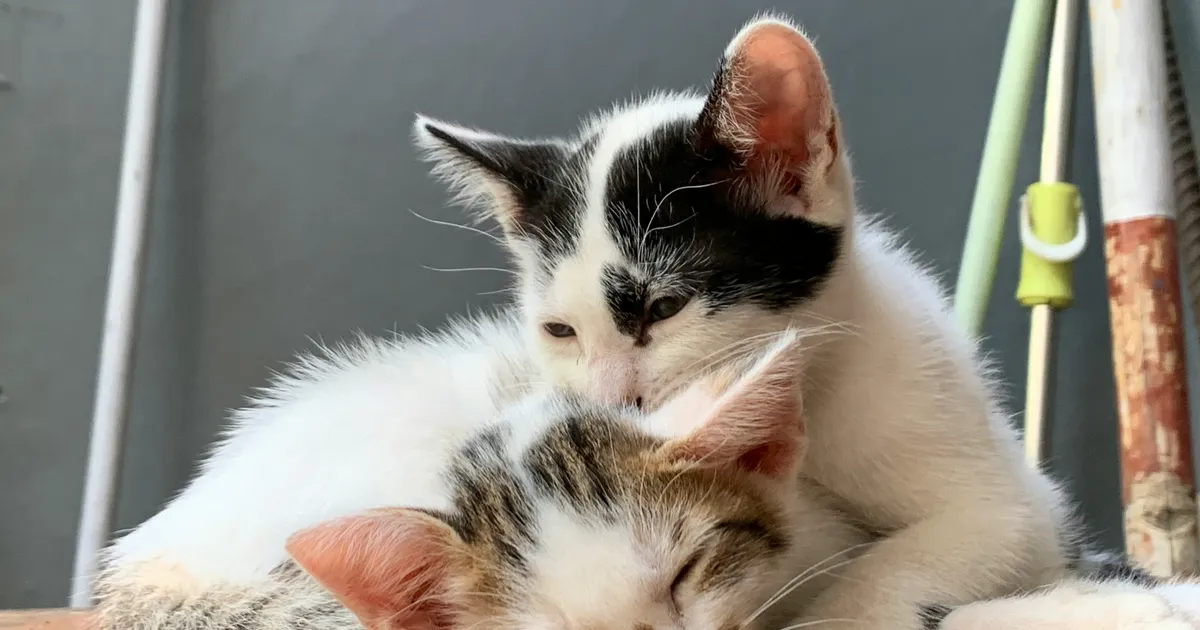

Socialization is crucial for all kittens, but it’s especially vital for shy kittens who tend to be more cautious and reserved in new situations. By creating positive and safe social bonding activities, you can help your timid feline friend build confidence and develop healthy relationships with humans and other animals. This guide will provide practical strategies and tips to gently ease your shy kitten into social interactions, setting them up for a happy and well-adjusted life. Early intervention and a patient approach are key components to helping them become more confident and adaptable companions. Keep in mind that every kitten progresses at their own pace.
Creating a Safe Environment
The foundation of successful socialization is a secure and predictable environment. A shy kitten needs a safe space, like a cozy bed or a quiet room, where they can retreat and feel protected. This space should be consistently available and never used as a punishment. Providing vertical space, such as cat trees or shelves, can also increase a kitten’s sense of security, as it allows them to observe their surroundings from a higher vantage point. Dim lighting and soft music can add to the calming atmosphere.
Avoid overwhelming your kitten with too many new experiences at once. Introduce changes gradually and monitor their reaction closely. If they show signs of stress, such as hiding, hissing, or flattened ears, immediately remove them from the situation and allow them to return to their safe space. Positive reinforcement is paramount. Never force interaction. Create a positive and safe environment where your shy kitten can explore the world at their own pace.
Gentle Human Interaction Strategies
Building a bond with a shy kitten requires patience and understanding. Start by simply spending time in the same room as your kitten, without attempting to interact directly. Read a book, watch television, or work on a computer while being present in their environment. This allows them to become accustomed to your presence without feeling pressured. Over time, they may start to approach you out of curiosity.
When your kitten shows signs of being more comfortable, offer them small treats or toys. Toss a toy near them rather than directly at them. Speak in a soft, gentle voice, and avoid making sudden movements. Let them initiate physical contact on their terms. For example, you can extend a finger for them to sniff, but avoid reaching out to pet them unless they come closer and rub against your hand. Even brief, positive interactions can have a significant impact on their confidence.
Using Positive Reinforcement
Positive reinforcement is extremely effective in modifying a shy kitten’s behavior. Reward even the smallest steps of progress with treats, praise, or gentle petting. Positive reinforcement can go a long way in encouraging social bonding. If your kitten approaches you confidently, reward them immediately. Avoid using punishment or scolding, as this can create fear and anxiety, setting back their socialization progress. Consistency is essential in reinforcing positive behaviors and building trust.
Introducing New Sounds and Sights
Shy kittens are often easily startled by new sounds and sights. To help them acclimate, gradually introduce them to different stimuli in a controlled manner. Start by playing soft, calming music or nature sounds. As they become more comfortable, you can slowly introduce other sounds, such as the television or household appliances. Do this at a low volume, gradually increasing it as the kitten adjusts.
Similarly, expose them to different sights in a gradual manner. If you have visitors, allow your kitten to observe them from a distance in their safe space. Encourage visitors to speak softly and avoid making sudden movements. As the kitten becomes more comfortable, encourage interaction. Always prioritize safety for your shy kitten when in new environments.
Safe Interactions with Other Pets
Introducing a shy kitten to other pets requires careful planning and supervision. Start by allowing them to smell each other under a door or through a crate. Gradually introduce them to each other in a controlled environment, such as a large room with plenty of space for the kitten to retreat. Keep initial interactions short and supervised.
Ensure that your resident pets are calm and gentle during the introduction process. Reward both the kitten and the other pets for positive interactions. If the kitten shows signs of stress, such as hissing or swatting, separate them immediately and try again later. Patience and consistency are key to a successful introduction, and to ensuring both cats feel safe and comfortable.
Playtime and Enrichment
Playtime is an excellent way to bond with a shy kitten and build their confidence. Engage them in interactive play using toys such as wand toys, laser pointers, or puzzle feeders. Allow them to chase, pounce, and capture their “prey,” providing a healthy outlet for their natural instincts. Playtime creates positive associations with human interaction.
Provide a variety of toys and enrichment activities to keep your kitten mentally stimulated. Cat trees, scratching posts, and window perches can provide opportunities for climbing, scratching, and observing the outside world. Rotating toys regularly can help maintain their interest and prevent boredom. Enrichment stimulates their hunting instincts, and is important to promoting happiness in all kittens, including shy ones.
Seeking Professional Guidance
If you are struggling to socialize your shy kitten, consider seeking professional guidance from a veterinarian, a certified cat behaviorist, or a knowledgeable cat rescuer. They can provide personalized advice and support based on your kitten’s individual needs and temperament. If needed, these experts can assess the shy kitten and diagnose any potential medical conditions that could be complicating the socialization process.
A professional can also help you develop a socialization plan that is tailored to your kitten’s specific needs and that takes into account your living situation. They can offer strategies for managing anxiety, building confidence, and facilitating positive social interactions. Remember that seeking professional help is a sign of responsibility. Cat behaviourists can be a valuable asset during the socialization of shy kittens in 2026.
Key Takeaways
- Create a safe and predictable environment for your shy kitten.
- Introduce new experiences gradually and monitor their reaction closely.
- Use positive reinforcement to reward even the smallest steps of progress.
- Ensure new sounds and sights are introduced slowly.
- Supervise all interactions with other pets closely.
- Consider seeking professional guidance if you are struggling.
Frequently Asked Questions
How long does it take to socialize a shy kitten?
The amount of time it takes to socialize a shy kitten varies depending on their individual temperament, experiences, and the consistency of your efforts. Some kittens may start to show progress within a few weeks, while others may take several months. Patience and consistency are key.
What are signs that my kitten is stressed?
Signs of stress in a kitten can include hiding, hissing, flattened ears, dilated pupils, excessive grooming, loss of appetite, and changes in litter box habits. If you notice any of these signs, immediately remove your kitten from the stressful situation and allow them to retreat to their safe space.
Can I force my kitten to interact with me?
No, you should never force a shy kitten to interact with you. Forcing interaction can create fear and anxiety, setting back their socialization progress. Instead, focus on creating positive associations with human interaction by offering treats, toys, and gentle praise.
What if my kitten hisses at me?
If your kitten hisses at you, it means they are feeling threatened or uncomfortable. Do not punish them for hissing. Instead, back away and give them space. Try to identify what triggered the behavior and avoid repeating that situation in the future. Speaking in a soft voice can help calm them.
Is it ever too late to socialize a shy kitten?
While early socialization is ideal, it is never too late to help a shy kitten become more comfortable and confident. It may take more time and effort to socialize an older kitten or cat, but with patience, consistency, and positive reinforcement, you can still make progress. In 2026, there will be more resources available than ever for this task.
Conclusion
Socializing a shy kitten is a rewarding journey that requires patience, understanding, and a commitment to creating a safe and positive environment. By following the strategies outlined in this guide, you can help your timid feline friend build confidence, develop healthy relationships, and embrace a happier, more fulfilling life. Remember to celebrate even the smallest steps of progress, and never give up on your shy kitten. With your love and support, they can blossom into a confident and well-adjusted companion. For further trusted guidance, resources such as the ASPCA website offer details on introducing fearful cats to new humans or environments.