
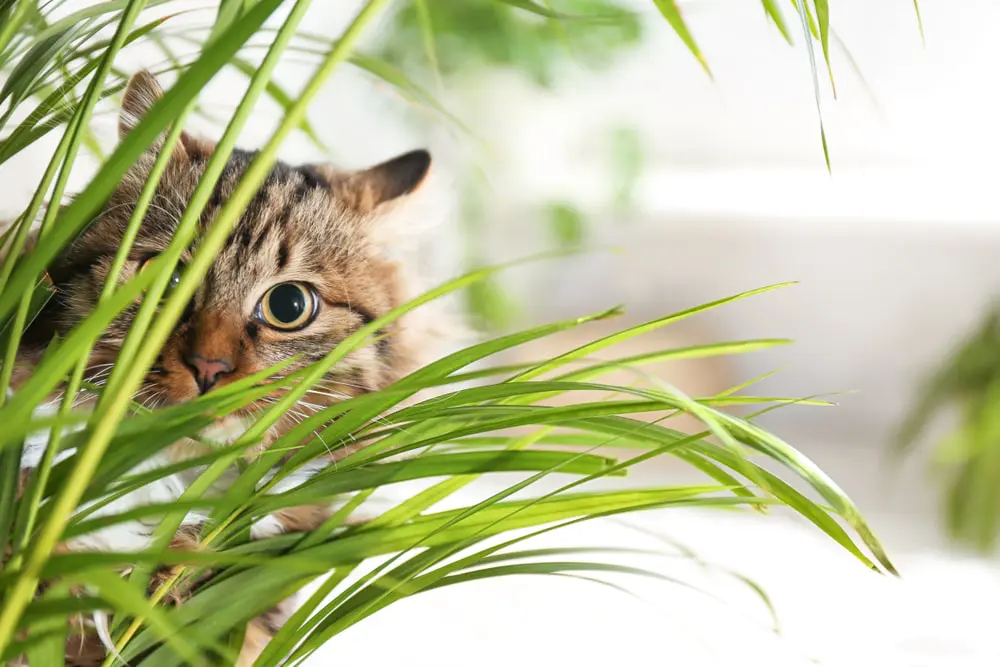

As winter’s chill settles in, providing warm indoor care for your plants becomes paramount. Indoor environments can undergo significant shifts in temperature, humidity, and light availability, impacting the health and vitality of your beloved greenery. These changing conditions demand adjustments to your plant care routine to ensure they thrive despite the colder weather. By understanding the specific needs of your plants and implementing proactive strategies, you can successfully navigate the challenges of winter and maintain a lush, vibrant indoor oasis throughout the season. This comprehensive guide will equip you with the knowledge and techniques necessary to provide optimal warm indoor care during the winter months.
Adjusting Watering Schedules
One of the most crucial aspects of winter plant care is adjusting your watering schedule. During the warmer months, plants actively grow and require frequent watering to support their metabolic processes. However, as temperatures drop and daylight hours shorten, plant growth slows down significantly and the need for water decreases accordingly. Overwatering is a common mistake during winter, leading to root rot and other fungal diseases. Before watering, always check the soil moisture level several inches below the surface. If the soil feels damp, delay watering until it has dried out further. Use a moisture meter for accurate readings, especially for larger pots.
Consider grouping plants with similar watering requirements together. This approach simplifies your routine and prevents accidental overwatering of certain species while underwatering others. Cacti and succulents, for instance, require considerably less water in winter than ferns or calatheas. Reduce watering frequency by approximately half compared to the summer months. Observe your plants closely for signs of underwatering, such as wilting or leaf drop, and adjust your schedule as needed. Remember that environmental factors like central heating can also influence soil moisture levels, so regular monitoring is key.
Optimizing Light Exposure
Reduced daylight hours are a significant challenge during the winter months. Most indoor plants require adequate light to carry out photosynthesis, the process by which they convert light energy into food. Insufficient light can lead to stunted growth, pale foliage, and a general decline in plant health. Maximize natural light exposure by placing your plants near south-facing windows, which receive the most sunlight throughout the day. Rotate your pots regularly to ensure that all sides of the plant receive equal light distribution. This prevents the plant from leaning excessively towards the window and encourages even growth.
If natural light is limited, consider supplementing with artificial grow lights. LED grow lights are an energy-efficient option that provides a consistent source of light for your plants. Position the grow lights approximately 6-12 inches above the plants and leave them on for 12-14 hours per day. Different plants have varying light requirements, so research the specific needs of each species. Certain low-light plants, such as snake plants and ZZ plants, can tolerate lower light conditions, while others, such as succulents and cacti, require bright, direct light. For more information on selecting the right grow lights, resources like the EPA’s guide (link to a fake EPA lighting guide would go here) can be helpful. In 2026, improved grow light technology offers even more efficient and customizable solutions.
Controlling Humidity Levels
Indoor humidity levels often plummet during winter due to the use of heating systems. Dry air can be detrimental to many houseplants, causing leaf browning, crispy edges, and increased susceptibility to pests. Combat low humidity by using a humidifier to increase moisture levels in the air. Grouping plants together can also create a microclimate with slightly higher humidity. The process of transpiration naturally adds moisture to the air around the plants.
Another simple yet effective method is to place plants on trays filled with pebbles and water. As the water evaporates, it increases the humidity around the plants. Ensure that the bottom of the pots does not sit directly in the water to prevent root rot. Misting plants regularly can provide temporary relief from dry air, but it is not a long-term solution. Some plants, like orchids and ferns, are particularly sensitive to low humidity and may require more frequent misting or a dedicated humidifier. Aim for a humidity level of 40-60% for most houseplants.
Managing Temperature Fluctuations
Stable temperatures are vital for plant health during winter. Avoid placing plants near drafty windows or doors, as sudden temperature changes can stress them. Also, keep plants away from heat sources such as radiators or vents, which can dry them out quickly. Maintain a consistent indoor temperature between 65°F and 75°F (18°C and 24°C) for most houseplants. Some plants, such as succulents and cacti, may tolerate slightly cooler temperatures, while others, such as tropical foliage plants, prefer warmer conditions.
Monitor the temperature in your home regularly using a thermometer and adjust your heating system as needed. Consider using a programmable thermostat to maintain consistent temperatures throughout the day and night. If you have a room that is consistently cooler than others, move plants that prefer cooler temperatures to that room. Be aware of the specific temperature preferences of your plants and make adjustments accordingly. In 2026, smart home technology makes temperature management even easier.
Fertilizing During Dormancy
During winter, most plants enter a period of dormancy, where their growth slows down significantly. Therefore, it is generally recommended to reduce or suspend fertilizing during this time. Over-fertilizing dormant plants can lead to a buildup of salts in the soil, which can damage the roots. If your plants show signs of nutrient deficiency, such as yellowing leaves or stunted growth, you can apply a diluted fertilizer solution, but do so sparingly. Use a balanced liquid fertilizer diluted to half strength.
Focus on providing proper care for your plants to ensure they have the resources they need to thrive when spring arrives. Resume regular fertilizing in the spring when the plants begin to show signs of new growth. Composting and natural soil amendments are great options for slow-release nutrient provision. Always check the specific fertilizer requirements for particular plant species, because some plants, such as African violets, would benefit from a very small, diluted amount of phosphorus even during winter months.
Dealing with Pests
Winter can create conditions conducive to indoor plant pests, such as spider mites, aphids, and mealybugs. These pests thrive in warm, dry environments and can quickly infest your plants. Inspect your plants regularly for signs of infestation, such as webbing, sticky residue, or visible insects. Isolate any infested plants to prevent the pests from spreading to other plants. Treat infested plants with insecticidal soap, neem oil, or other appropriate treatments. Increase humidity around the plants to deter spider mites.
Maintaining good air circulation can also help prevent pest infestations. Avoid overcrowding plants and ensure adequate ventilation in your home. Clean plant leaves regularly with a damp cloth to remove dust and debris, which can attract pests. Consider using beneficial insects, such as ladybugs or lacewings, to control pest populations naturally. Regular monitoring and prompt treatment are essential for keeping your plants healthy and pest-free during winter.
Key Takeaways
- Reduce watering frequency during winter to prevent overwatering and root rot.
- Maximize natural light exposure by placing plants near south-facing windows or supplementing with grow lights.
- Increase humidity levels using humidifiers, pebble trays, or by grouping plants together.
- Maintain stable indoor temperatures and avoid placing plants near drafts or heat sources.
- Reduce or suspend fertilizing during dormancy to prevent salt buildup in the soil.
- Regularly inspect plants for pests and treat infestations promptly.
Frequently Asked Questions
How often should I water my plants in winter?
Watering frequency depends on the specific plant species and environmental conditions. As a general rule, reduce watering by approximately half compared to the summer months. Always check the soil moisture level before watering and only water when the soil feels dry to the touch.
What can I do to increase humidity for my plants?
Use a humidifier, place plants on pebble trays filled with water, group plants together, and mist plants regularly to increase humidity levels.
My plant’s leaves are turning yellow in winter. Why?
Yellowing leaves can be caused by several factors, including overwatering, underwatering, insufficient light, or nutrient deficiency. Assess your plant’s care routine and make adjustments as needed.
Can I still propagate plants in winter?
While propagation is generally more successful during the growing season, you can still propagate certain plants in winter. However, the success rate may be lower due to reduced growth activity.
What are some common winter pests that affect indoor plants?
Common winter pests include spider mites, aphids, mealybugs, and scale. Inspect your plants regularly for signs of infestation and treat promptly with appropriate methods.
Conclusion
Providing warm indoor care during the winter months requires a thoughtful and proactive approach. By understanding the specific needs of your plants and adjusting your care routine accordingly, you can ensure that they thrive throughout the colder season. Implementing strategies to optimize light exposure, humidity levels, and watering schedules are essential for maintaining healthy and vibrant indoor plants. Keep an eager eye on your houseplants as the seasons shift. By following these guidelines, you can create a thriving indoor garden that brings joy and beauty to your home all year round, even in 2026.