
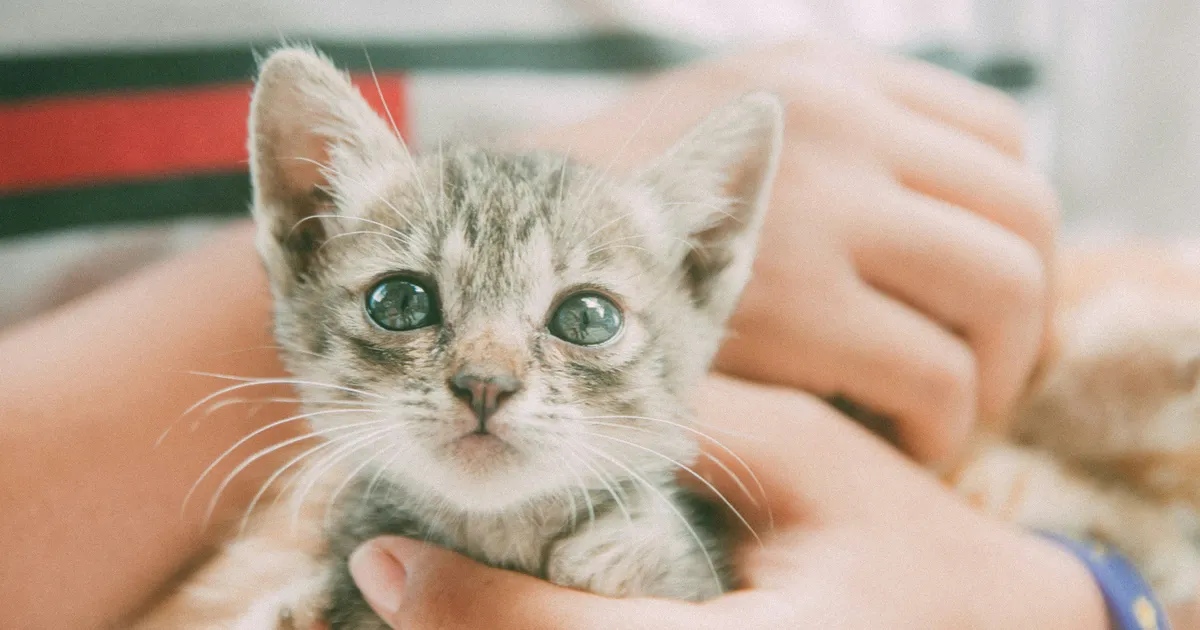

Vaccinations are a cornerstone of preventative care for young domestic felines, protecting them from a range of potentially fatal and debilitating diseases. As a responsible cat owner, understanding the recommended vaccination schedule and the diseases they prevent is crucial to ensuring your feline companion lives a long, healthy, and happy life. This article will serve as a comprehensive guide to important vaccination reminders for young cats, discussing core vaccines, lifestyle-based vaccines, vaccination schedules, potential side effects, and the importance of booster shots. Keeping your kitten protected is a key responsibility for any cat owner.
Core Feline Vaccinations
Core vaccinations are those recommended for all kittens and cats, regardless of their lifestyle. These vaccines protect against diseases that are highly contagious, cause significant morbidity and mortality, and are widespread in the feline population. The three core vaccines for cats are feline panleukopenia (FPV), feline calicivirus (FCV), and feline herpesvirus-1 (FHV-1), often combined into a single FVRCP vaccine. These vaccinations are essential for preventing potentially deadly illnesses in your young feline friend. The American Animal Hospital Association (AAHA) provides in-depth guidelines on feline vaccinations.
Feline panleukopenia, also known as feline distemper, is a highly contagious and often fatal viral disease that affects the bone marrow, intestinal tract, and immune system. Feline calicivirus and feline herpesvirus-1 are upper respiratory viruses that cause sneezing, nasal discharge, and conjunctivitis. While not always fatal, these viruses can cause chronic upper respiratory issues and significant discomfort. The FVRCP vaccine is usually administered in a series of shots starting around 6-8 weeks of age, with boosters given every 3-4 weeks until the kitten is 16 weeks old.
Non-Core Feline Vaccinations
Non-core vaccines are recommended based on a cat’s individual risk factors, such as lifestyle, geographic location, and exposure to other cats. These vaccines protect against diseases that are less common or less severe but can still pose a threat to certain cats. The most common non-core vaccine for cats is the feline leukemia virus (FeLV) vaccine. This vaccine is especially important for cats that spend time outdoors or live with other cats, as FeLV is transmitted through saliva, nasal secretions, urine, and feces.
The decision to administer non-core vaccines should be made in consultation with your veterinarian. They will assess your cat’s individual risk factors and lifestyle to determine which vaccines are appropriate. Other non-core vaccines that may be considered include the feline immunodeficiency virus (FIV) vaccine, although its efficacy is debated, and the Chlamydophila felis vaccine, which protects against a bacterial infection that causes conjunctivitis. If your cat is primarily indoors and not exposed to other cats, some non-core vaccines may be unnecessary.
Vaccination Schedules for Kittens
Following a proper vaccination schedule is paramount to ensuring your kitten develops adequate immunity against dangerous diseases. The typical kitten vaccination schedule begins around 6-8 weeks of age with the first FVRCP shot. Booster shots are then given every 3-4 weeks until the kitten is 16 weeks old. The FeLV vaccine series, if recommended, usually starts around the same time and follows a similar booster schedule. The timing of booster shots are strategically planned to occur as the kitten’s maternally derived antibodies wane.
After the initial kitten series, a booster FVRCP and FeLV (if applicable) vaccine is typically given one year later. After this, the frequency of booster vaccinations may vary depending on the specific vaccine and your veterinarian’s recommendations. Some vaccines may be given every year, while others may be given every three years. It is important to keep accurate records of your cat’s vaccinations and to follow your veterinarian’s advice on booster schedules to maintain proper protection. By 2026, there may even be newer vaccine formulations available to further reduce the need for such frequent boosters.
Maintaining a Vaccination Record
Keeping a comprehensive record of your cat’s vaccinations is extremely important. This record serves as proof of vaccination and can be required by boarding facilities, groomers, and veterinarians. Your vaccination record should include the date of vaccination, the type of vaccine administered, the brand of vaccine, and the veterinarian who administered the vaccine. You should also keep a copy of the vaccination certificate provided by your veterinarian. Having this information readily available can be invaluable in emergency situations or when traveling with your cat.
Understanding Vaccine Side Effects
While vaccinations are generally safe and effective, they can sometimes cause mild side effects. These side effects are usually temporary and resolve on their own within a few days. The most common side effects of feline vaccinations include mild fever, lethargy, decreased appetite, and soreness or swelling at the injection site. In rare cases, more serious side effects, such as allergic reactions, can occur. Monitor your cat closely after vaccination and contact your veterinarian if you notice any concerning signs.
Allergic reactions to vaccines can manifest as facial swelling, hives, difficulty breathing, or collapse. If you observe any of these signs, seek immediate veterinary attention. Although rare, vaccine-associated sarcomas (VAS), a type of cancerous tumor, have been reported in cats. These tumors typically develop at the injection site months or years after vaccination. Using non-adjuvanted vaccines and varying injection sites can help minimize the risk of VAS. Discuss any concerns you have about vaccine side effects with your veterinarian to make informed decisions about your cat’s vaccination plan.
The Importance of Booster Shots
Booster shots are essential for maintaining long-term immunity against feline diseases. The initial kitten vaccination series provides protection for a limited time, but the immunity wanes over time. Booster shots help to reinforce the immune system and provide continued protection against these diseases. Your veterinarian will recommend a booster schedule based on your cat’s individual needs and the specific vaccines administered. Skipping booster shots can leave your cat vulnerable to infection.
The duration of immunity provided by vaccines can vary depending on the vaccine and the individual cat. Some vaccines may provide protection for several years, while others may require more frequent boosters. It’s important to remember that even if a vaccine is said to provide three years of protection, your veterinarian may still recommend annual check-ups to assess your cat’s overall health and immunity. Keeping up with recommended booster shots is a crucial element of responsible pet ownership. In 2026 and beyond, advancements in vaccine technology may further optimize booster schedules.
Key Takeaways
- Core vaccinations, including FVRCP, are essential for all kittens and cats.
- Non-core vaccines, such as FeLV, should be considered based on lifestyle and risk factors.
- Follow the recommended vaccination schedule provided by your veterinarian.
- Monitor your cat for potential side effects after vaccination and contact your vet if necessary.
- Booster shots are crucial for maintaining long-term immunity against feline diseases.
- Keep accurate records of your cat’s vaccinations.
Frequently Asked Questions
How young can kittens be vaccinated?
Kittens can typically be vaccinated as early as 6-8 weeks of age. The first vaccines are usually the FVRCP vaccine and, if necessary, the FeLV vaccine.
Are there any risks associated with vaccinating my cat?
While rare, vaccines can cause side effects such as mild fever, lethargy, or soreness at the injection site. Severe allergic reactions are uncommon but require immediate veterinary attention.
How often should my cat receive booster shots?
Booster schedules vary depending on the vaccine and your veterinarian’s recommendations, but they are often given annually or every three years.
What if I find a stray cat?
If you find a stray cat, it’s important to take it to a veterinarian for a check-up and necessary vaccinations. The vet can also check for a microchip to help reunite the cat with its owner.
Are there alternatives to traditional vaccines?
While there are no widely accepted alternatives to traditional vaccines, some veterinarians offer titers to check a cat’s immunity levels. However, these tests cannot fully replace vaccination, especially for core diseases.
Conclusion
Vaccinating your young domestic feline is a vital step in ensuring their long-term health and well-being. Understanding the importance of core and non-core vaccines, following the recommended vaccination schedule, and keeping accurate records are all essential aspects of responsible pet ownership. By working closely with your veterinarian and staying informed about the latest advancements in feline vaccinations, you can provide your feline companion with the best possible protection against preventable diseases. Protect your kitty so that they are around to love for a good long time.