
Many cat owners mistakenly believe that dairy products, like milk and cheese, are a suitable treat for their feline companions. While cats may enjoy the taste, the reality is that many adult cats are lactose intolerant, leading to digestive upset. Fortunately, the pet food industry has created several safe dairy alternatives that cater to cats with sensitive stomachs, ensuring they can enjoy a palatable treat without the adverse side effects. These alternatives are formulated to be easily digestible and provide essential nutrients, focusing on the unique dietary needs of cats. This guide will explore various options available in 2026, empowering you to make informed choices for your sensitive feline friend.
Understanding Lactose Intolerance in Cats
Lactose intolerance in cats stems from a decline in the production of lactase, the enzyme responsible for breaking down lactose, the sugar found in milk. Kittens produce lactase to digest their mother’s milk, but as they mature, their bodies often produce less of it. Consequently, when an adult cat consumes dairy products, undigested lactose ferments in the gut, leading to symptoms such as diarrhea, vomiting, gas, and abdominal discomfort. The severity of lactose intolerance can vary among individual cats, but it’s generally best to avoid dairy to prevent potential digestive issues. Choosing appropriate dairy alternatives is crucial for maintaining your cat’s well-being and preventing unnecessary suffering.
It’s essential to distinguish between lactose intolerance and a true dairy allergy, which is less common but more severe. A dairy allergy involves an immune response to proteins in milk, triggering symptoms beyond digestive upset, such as skin irritation, itching, and respiratory issues. If you suspect your cat has a dairy allergy, it’s vital to consult with a veterinarian for proper diagnosis and management. Understanding the specific cause of your cat’s sensitivity will help you select the safest and most appropriate dairy alternatives, ensuring their health and happiness. Always read labels carefully and prioritize products specifically formulated for cats with sensitivities.
Safe Dairy-Free Milk Alternatives for Cats
When seeking dairy-free milk alternatives for your cat, several options stand out for their safety and nutritional value. Goat milk, although technically dairy, contains less lactose than cow’s milk, making it potentially more digestible for some sensitive cats. However, it’s crucial to introduce goat milk gradually and monitor your cat for any signs of digestive distress. Another option is lactose-free milk specifically formulated for cats and dogs, which undergoes processing to remove lactose. These options provide a more suitable choice for lactose-intolerant felines looking for a palatable treat.
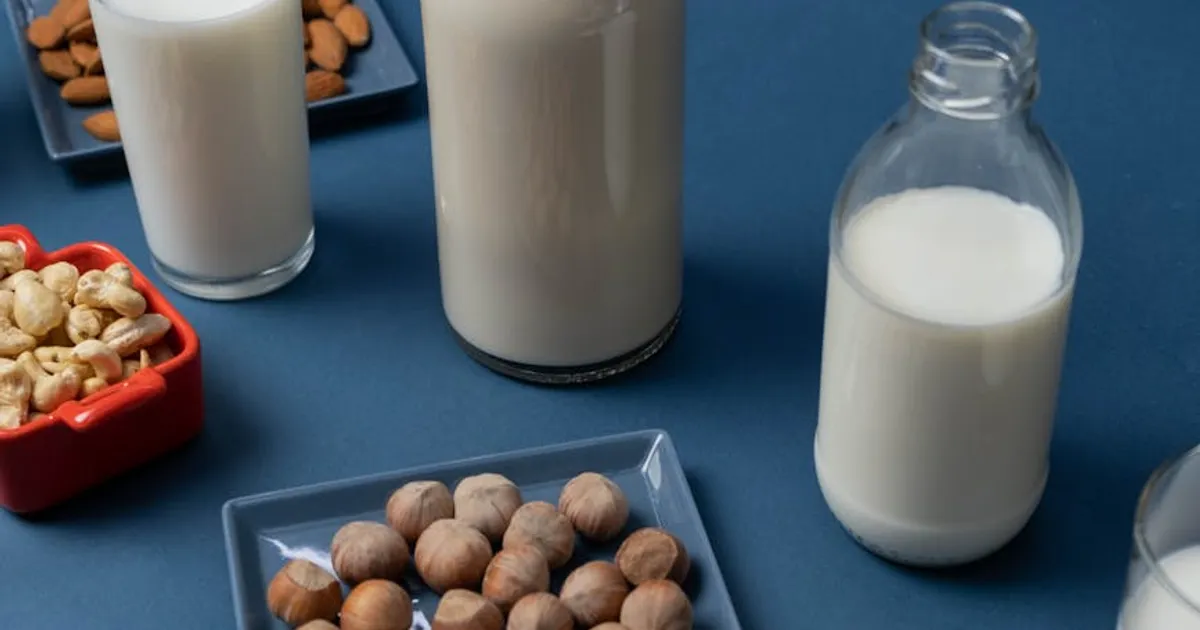
Beyond traditional milk substitutions, consider plant-based milk alternatives, such as almond milk or oat milk. While these are safe in small quantities, they are generally not nutritionally complete for cats. Always opt for unsweetened and unflavored varieties to avoid added sugars or artificial ingredients that can be harmful to your cat. Furthermore, remember that these plant-based milks should only be offered as occasional treats, not as a replacement for their regular balanced diet consisting of cat food formulated with all the necessary nutrients. Always prioritize products designed for cats.
Yogurt Alternatives: Probiotics and Prebiotics
Many pet owners wonder if yogurt is a safe treat for their cats. While plain, unsweetened yogurt contains probiotics that can benefit gut health, the lactose content can still be problematic for sensitive cats. A better approach is to explore yogurt alternatives specifically designed for felines. These alternatives often contain probiotics and prebiotics, which promote a healthy gut microbiome without the potential for lactose intolerance.
Look specifically for products that contain cat-friendly probiotic strains like Enterococcus faecium. Prebiotics such as inulin can also be beneficial. Make sure to consult with your veterinarian to determine if probiotics are right for your furry friend. It’s also important to note that while some yogurt alternatives may contain fruit, ensure they do not contain any ingredients toxic to cats, such as grapes or raisins. Always read the ingredient list, checking for any artificial sweeteners or additives that could harm your cat.
Cheese Substitutes: Safe and Tasty Options
Finding a safe cheese substitute that also appeals to your cat’s taste buds requires careful consideration. Nutritional yeast is a popular option that offers a cheesy flavor without any dairy content. It’s rich in B vitamins and amino acids, providing added nutritional benefits. You can sprinkle a small amount of nutritional yeast on your cat’s food as a flavorful supplement. However, introduce it gradually to ensure your cat enjoys the taste. In 2026, more processed vegan cheese alternatives are becoming more readily available, but you should always double-check the ingredients to be sure they are safe for cats.
Another potential cheese substitute is a homemade purée made from cooked vegetables like sweet potatoes or carrots. These vegetables offer a naturally sweet flavor and a creamy texture that mimics cheese. Ensure that the vegetables are thoroughly cooked and puréed until smooth to prevent choking hazards. Avoid adding any seasonings or spices that could be harmful to your cat, such as onions or garlic. Small amounts of cooked chicken or turkey can also be added to increase the palatability. As with any new addition to your cat’s diet, introduce it slowly and observe for any adverse reactions.
Homemade Chicken Broth: A Hydrating Treat
A simple, safe, and hydrating treat for cats is homemade chicken broth. It provides essential electrolytes and can encourage picky eaters to consume more fluids. Simply boil chicken (without bones) in water and then strain the broth, making sure there are no bones or small pieces left. Let it cool completely before serving it to your cat.
Commercial Dairy-Free Cat Treats
The pet food market has responded to the increasing awareness of feline sensitivities by offering a wide range of commercial dairy-free treats. These treats are specifically formulated to be easily digestible and palatable, providing a safe and convenient alternative to traditional dairy products. When selecting commercial treats, carefully review the ingredient list to ensure they are free from lactose, artificial colors, flavors, and preservatives. Look for treats that are specifically labeled as “dairy-free” or “suitable for sensitive stomachs.”
Many dairy-free cat treats are made with alternative protein sources, such as fish or poultry, and often contain added vitamins and minerals to support your cat’s overall health. Consider purchasing treats from reputable brands known for their high-quality ingredients and stringent manufacturing processes. Avoid treats that contain fillers, such as corn or wheat, which can be difficult for some cats to digest. Furthermore, keep treats as a limited part of your cat’s diet to avoid any unbalanced nutrition or potential health problems. Always store treats properly to maintain freshness and prevent spoilage, strictly following the manufacturer’s recommendations.
Transitioning Your Cat to Dairy-Free Alternatives
Introducing new foods, including dairy-free alternatives, should be done gradually to minimize the risk of digestive upset. Start by mixing a small amount of the new alternative with your cat’s regular food, gradually increasing the proportion over several days. Observe your cat for any signs of digestive distress, such as diarrhea, vomiting, or loss of appetite. If your cat experiences any of these symptoms, discontinue use and consult with your veterinarian. Patience is key when transitioning your cat to a new diet.
By introducing new foods slowly, you allow your cat’s digestive system to adapt to the new ingredients, reducing the likelihood of adverse reactions. Pay close attention to your cat’s preferences and adjust the transition accordingly. Some cats may readily accept new foods, while others may be more resistant. If your cat is hesitant to try the dairy-free alternative, try different brands or flavors to find one that appeals to their taste buds. Positive reinforcement, such as praise and encouragement, can also help your cat adjust to the transition process. Remember that a balanced and complete diet is crucial for your cat’s health, so always consult with your veterinarian when making significant changes to their feeding regime.
Key Takeaways
- Many adult cats are lactose intolerant and experience digestive issues when consuming dairy.
- Safe dairy alternatives include goat milk, lactose-free cat milk, and plant-based milks in moderation.
- Yogurt alternatives with probiotics and prebiotics can be beneficial for gut health.
- Nutritional yeast provides a cheesy flavor without dairy and offers added nutritional benefits.
- Commercial dairy-free cat treats provide a convenient and palatable option.
- Transition your cat gradually to dairy-free alternatives to minimize digestive upset.
Frequently Asked Questions
Can kittens tolerate dairy better than adult cats?
Yes, kittens typically produce more lactase, the enzyme that breaks down lactose, than adult cats. Therefore, they can usually tolerate dairy better. However, it’s still crucial to monitor kittens for any signs of digestive upset when introducing dairy, and opt for kitten-specific formulas when possible.
Is it safe to give my cat human lactose-free milk?
While human lactose-free milk is safer than regular milk for lactose-intolerant cats, it’s not an ideal choice. It may still contain ingredients that are not optimal for feline digestion. It’s best to choose lactose-free milk specifically formulated for cats to ensure it meets their nutritional needs. Always introduce new foods slowly and monitor your cat for any adverse reactions. Moreover, remember it is still cow’s milk and a better option is a plant-based alternative, even though these are not meant to be an everyday replacement for a meal.
What are the signs of a milk allergy in cats?
Signs of a milk allergy in cats can include skin irritation, itching, vomiting, diarrhea, respiratory issues, and facial swelling. If you suspect your cat has a milk allergy, promptly consult with your veterinarian for proper diagnosis and management. They may recommend an elimination diet or allergy testing to confirm the diagnosis and identify the specific allergen.
How often can I give my cat dairy-free treats?
Dairy-free treats should be given in moderation as part of a balanced diet. Limit treats to no more than 10% of your cat’s daily caloric intake to prevent weight gain and nutritional imbalances. Always monitor your cat’s weight and adjust the amount of treats accordingly. Consider lower calorie options. For example, homemade chicken broth can be a good alternative.
Are all plant-based milks safe for cats?
Not all plant-based milks are created equal when it comes to feline safety. Almond milk and oat milk, unsweetened and unflavored, are generally safe in small quantities. However, avoid soy milk, as it can be difficult for some cats to digest. Ensure that the plant-based milk does not contain any artificial sweeteners or additives that could be harmful to your cat. Remember that plant-based milks should only be offered as occasional treats, not as a primary source of nutrition. As of 2026, the pet treat industry has many cat treat options. It is recommended that you look at these options first.
Conclusion
Providing safe and enjoyable treats for sensitive cats requires careful consideration and informed choices. By understanding the causes of lactose intolerance and exploring appropriate dairy alternatives, you can ensure your feline companion receives palatable and nutritious options without the risk of digestive upset. Remember to introduce new foods gradually, monitor your cat for any adverse reactions, and consult with your veterinarian for personalized advice. With the variety of commercially available dairy-free treats and homemade alternatives, caring for a sensitive cat in 2026 has never been easier. Prioritizing quality ingredients and balanced nutrition will help ensure a happy and healthy life for your beloved feline friend.