
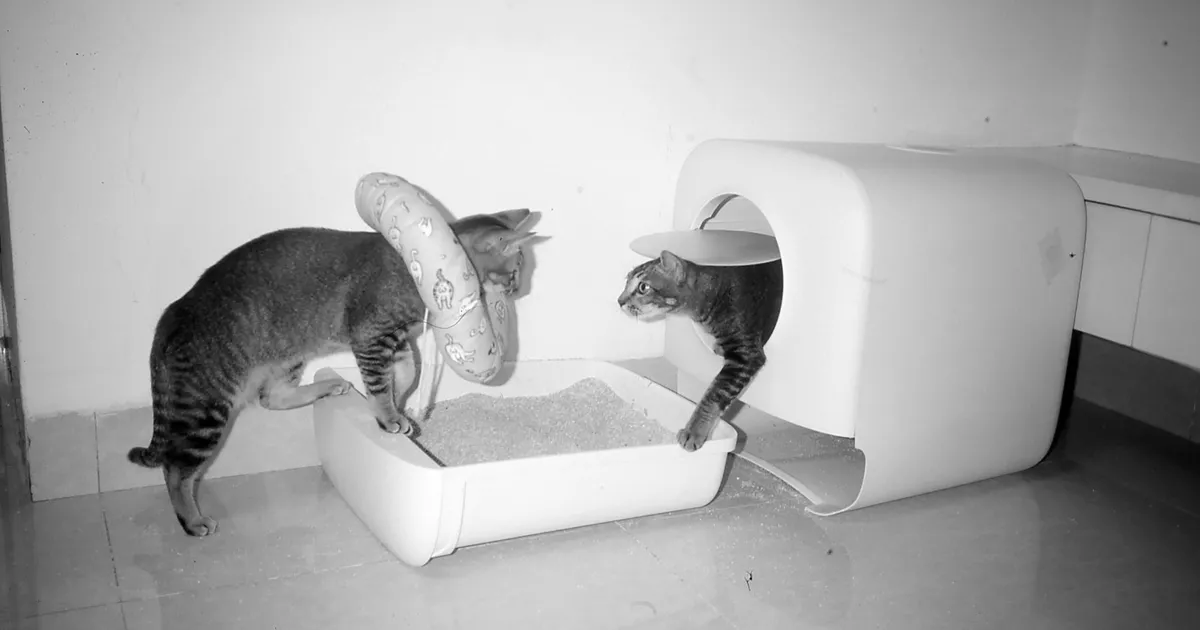

Intelligent indoor feline companions offer a unique blend of affection, entertainment, and relatively low-maintenance care, making them ideal pets for apartment dwellers and busy individuals. Training a cat may seem like an oxymoron to some, but certain breeds possess a surprising aptitude for learning tricks, commands, and even adapting to household routines. Choosing the right intelligent cat breed and understanding the principles of positive reinforcement can pave the way for a harmonious and stimulating relationship with your feline friend. This article explores breeds renowned for their intelligence and trainability, providing insights into effective training methods that will make your cat an even better companion in 2026.
Selecting an Intelligent Feline Breed
Several cat breeds are known for their intelligence and eagerness to learn. The Abyssinian, for example, is a highly active and curious breed that thrives on interaction and readily picks up new skills. Siamese cats are also renowned for their vocal nature and intelligence, often forming strong bonds with their owners and responding well to clicker training. The Bengal, with its distinctive spotted coat and playful personality, is another breed that can be surprisingly trainable, enjoying puzzle toys and interactive games that challenge its mind. Understanding the unique characteristics of each breed will help you select a cat that aligns with your lifestyle and training goals.
Beyond breed-specific traits, individual personalities play a significant role in trainability. Some cats, regardless of their breed, may be more receptive to training than others. Observation is crucial: notice how your cat responds to new stimuli, whether they are motivated by food, toys, or praise. A cat that is naturally curious and enjoys interacting with you is more likely to engage in training sessions. Shelters and rescues often provide detailed information about a cat’s personality and temperament, giving you a better idea of whether they will be a good fit for your home and your training expectations.
Positive Reinforcement Training Techniques
Positive reinforcement is the key to successfully training intelligent cats. This method involves rewarding desired behaviors with treats, praise, or toys, encouraging your cat to repeat those actions. Avoid punishment or scolding, as this can create fear and anxiety, making your cat less likely to cooperate. Short, frequent training sessions are more effective than long, drawn-out ones. Keep the sessions fun and engaging, and always end on a positive note. Clicker training, a popular technique, involves associating a specific sound (the clicker) with a reward, creating a clear signal that your cat has performed the desired behavior correctly. The Humane Society offers helpful resources on positive reinforcement techniques.
Consistency is paramount. Use the same commands and hand signals consistently, so your cat learns to associate specific cues with specific actions. Start with simple commands like “sit,” “stay,” or “come,” gradually increasing the complexity as your cat progresses. Be patient and understanding, as some cats may learn faster than others. Celebrate small victories and remember that training is an ongoing process. In 2026, more owners are adopting this gentle approach.
Clicker Training for Cats
Clicker training, as touched upon earlier, is a powerful method for training cats. The clicker serves as a marker, indicating the exact moment your cat performs the desired behavior. To start, “charge” the clicker by pairing the sound of the click with a treat. Repeat this process several times until your cat associates the click with a positive reinforcement. Once the clicker is charged, you can begin using it to shape your cat’s behavior. For example, if you want to teach your cat to sit, wait until they naturally sit down, then click the clicker and immediately give them a treat. Gradually, you can start using a verbal cue (“sit”) along with the clicker.
Teaching Basic Commands and Tricks
Teaching basic commands can improve your cat’s behavior and strengthen your bond. Start with simple commands like “come” or “stay.” To teach “come,” lure your cat with a treat or toy while saying the command. When they come to you, click (if using clicker training) and reward them. For “stay,” begin by asking your cat to sit or lie down, then say “stay” and hold your hand up. Gradually increase the duration of the stay, rewarding them for remaining in place. Remember to keep the sessions short and positive, and never force your cat to participate if they are not in the mood.
Once your cat has mastered basic commands, you can move on to more advanced tricks. Teaching your cat to “high-five,” “fetch,” or even jump through a hoop can be a fun and rewarding experience for both of you. Break down the tricks into small, manageable steps, and use positive reinforcement to encourage your cat’s progress. Puzzle toys can also be used to stimulate your cat’s mind and teach them problem-solving skills. These toys require your cat to perform specific actions to retrieve a treat, providing mental stimulation and entertainment.
Addressing Common Training Challenges
Even with the most intelligent and trainable cats, challenges may arise during the training process. One common issue is inconsistency. If you are not consistent with your commands and rewards, your cat may become confused and lose interest in training. Another challenge is a lack of motivation. If your cat is not particularly food-motivated or toy-motivated, you may need to experiment with different rewards to find what works best for them. Some cats respond well to praise and affection, while others may prefer a specific toy or treat.
Another potential issue is attention span. Cats have a relatively short attention span, so it is important to keep training sessions brief and engaging. If your cat starts to lose focus or becomes distracted, end the session and try again later. Avoid pushing your cat too hard, as this can lead to frustration and resentment. Be patient and understanding, and remember that training is a process, not a race. Consider consulting a professional cat behaviorist for personalized guidance if you are struggling with specific training challenges.
Enrichment and Mental Stimulation
Providing ample enrichment and mental stimulation is crucial for intelligent indoor cats. Boredom can lead to destructive behaviors, such as scratching furniture, excessive meowing, or even aggression. Puzzle toys, scratching posts, climbing trees, and interactive playtime can help keep your cat mentally and physically engaged. Rotate toys regularly to prevent boredom and keep your cat interested. You can also create a stimulating environment by providing window perches, allowing your cat to observe the outside world. The ASPCA provides great tips for enriching your cat’s life.
Interactive play sessions are especially important for building a strong bond with your cat and providing mental stimulation. Use feather wands, laser pointers, or other toys to engage your cat in active play. Mimic natural hunting behaviors by allowing your cat to stalk, chase, and pounce on the toy. End the play session with a “capture,” allowing your cat to catch the toy and experience a sense of accomplishment. This helps satisfy their predatory instincts and prevents frustration.
Maintaining a Consistent Routine
Cats thrive on routine, so establishing a consistent schedule for feeding, playtime, and training can contribute to their overall well-being and make them more receptive to learning. A predictable environment reduces stress and anxiety, allowing your cat to focus on the task at hand. Feed your cat at the same time each day, and provide regular playtime and training sessions. Stick to a consistent bedtime routine to help your cat relax and sleep soundly. Changes in routine can be disruptive for cats, so try to minimize unexpected disruptions whenever possible.
In addition to a consistent schedule, providing a safe and comfortable environment is essential. Ensure your cat has access to a clean litter box, fresh water, and a comfortable resting place. A secure and predictable environment allows your cat to feel safe and relaxed, making them more receptive to learning and adapting to new routines. Observe your cat’s behavior closely to identify any signs of stress or anxiety, and address any concerns promptly to maintain their well-being.
Key Takeaways
- Choose an intelligent breed like Abyssinian, Siamese, or Bengal.
- Use positive reinforcement techniques for effective training.
- Keep training sessions short, frequent, and engaging.
- Provide ample enrichment and mental stimulation.
- Maintain a consistent routine for feeding, playtime, and training.
- Be patient and understanding throughout the training process.
Frequently Asked Questions
How long does it take to train a cat?
The time it takes to train a cat varies depending on the individual cat, the complexity of the task, and the consistency of the training. Some cats may learn simple commands in a few days, while others may take weeks or even months to master more complex tricks.
What are the best rewards for training cats?
The best rewards for training cats are those that your cat finds highly motivating. This could be food treats, toys, praise, or affection. Experiment with different rewards to find what works best for your cat.
Can older cats be trained?
Yes, older cats can be trained, although they mayrequire a bit more patience and understanding. Older cats may be less energetic and less receptive to new things, but they can still learn new commands and tricks with consistent positive reinforcement.
What should I do if my cat loses interest in training?
If your cat loses interest in training, try making the sessions shorter and more engaging. Experiment with different rewards, and vary the types of training activities. If your cat is consistently uninterested in training, it may be a sign that they are not enjoying the process, so consider scaling back or focusing on other forms of enrichment.
Is it possible to train cats to walk on a leash?
Yes, it is possible to train cats to walk on a leash, although it requires patience and gradual introduction. Start by introducing your cat to the harness and leash indoors, allowing them to get used to wearing it. Once they are comfortable, begin taking them for short walks in a familiar outdoor area. Always use positive reinforcement and avoid forcing your cat to do anything they are not comfortable with. By 2026, leash-trained cats are becoming more common.
Conclusion
Training an intelligent indoor feline companion can be a rewarding experience, strengthening the bond between you and your cat while providing mental stimulation and enrichment. By understanding the principles of positive reinforcement, choosing an intelligent breed, and being patient and consistent, you can successfully train your cat to perform commands, tricks, and adapt to household routines. Remember that every cat is an individual, and some may learn faster than others. Embrace the process, celebrate small victories, and enjoy the unique companionship that a well-trained feline friend can provide.