
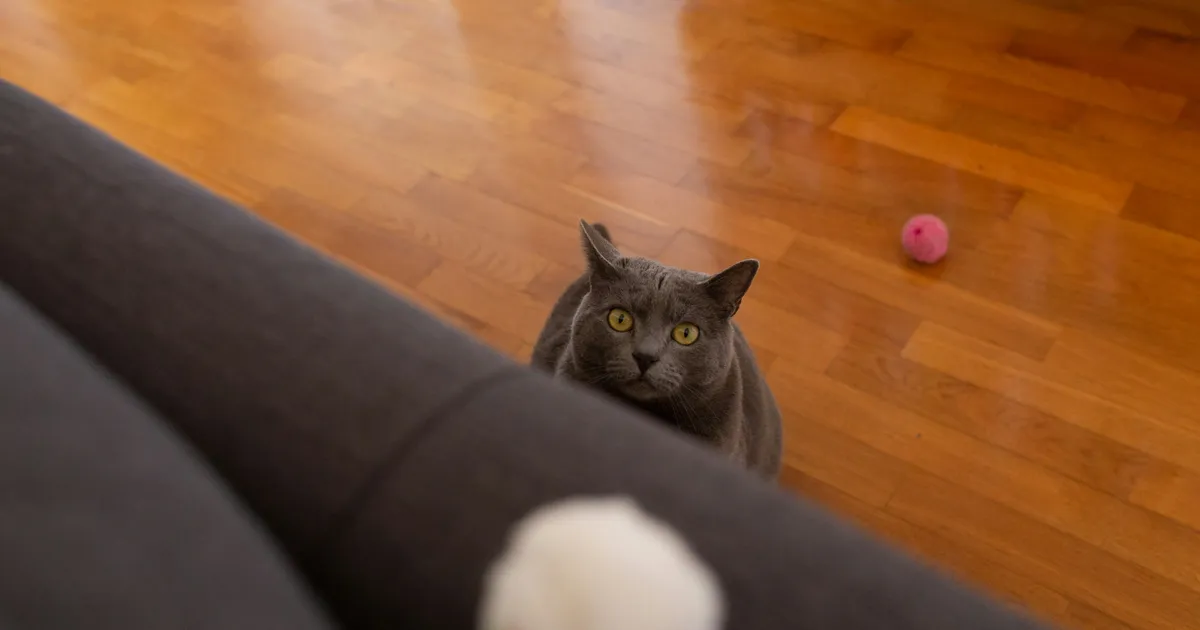

Indoor cat boredom is a serious concern for feline owners. Confined to the home, cats can become listless, destructive, or even depressed. Fortunately, incorporating daily enrichment games into your cat’s routine can combat these issues and create a happier, healthier pet. This article will explore various enrichment strategies, providing practical tips and insights to transform your home into a stimulating environment for your feline companion. By understanding your cat’s natural instincts and tailoring activities to their individual preferences, you can effectively address boredom and strengthen your bond with your furry friend.
Understanding Feline Boredom
Cats, despite their reputation for independence, are intelligent and curious creatures who require mental and physical stimulation. When left without sufficient outlets for their energy, they can develop behavioral problems like excessive grooming, scratching furniture, or even aggression. Recognizing the signs of boredom is thus crucial. These can include changes in appetite, decreased interaction with family members, and increased sleeping. Providing enrichment is not merely a luxury; it’s a critical component of responsible cat ownership. It addresses their inherent needs, preventing potential health and behavioral issues, and keeps your cat engaged and content in 2026.
To effectively combat boredom, it’s essential to understand the root causes. A lack of environmental complexity commonly contributes. Cats thrive in environments which allow them to express natural feline behaviors such as hunting, climbing, and exploring. Simple changes, like adding scratching posts, cat trees, or window perches, can make a significant difference. Creating interactive feeding experiences, rather than simply leaving food in a bowl, encourages their hunting instincts. Ultimately, addressing boredom involves understanding the ways your cat communicates their needs, and creating environments that fulfill them.
Interactive Play Sessions
Interactive play is a cornerstone of daily enrichment. Wand toys, laser pointers, and puzzle toys are all excellent options for engaging your cat’s predatory instincts. The goal is to mimic the natural hunting sequence: stalk, chase, pounce, and catch. Be sure to allow your cat to “catch” the toy at the end of the session to provide a sense of accomplishment. Vary the types of toys and play styles to keep them interested. A bored cat is an unhappy cat, so make sure you set aside at least 15-20 minutes each day for dedicated play time. Consider using a rotation of toys, keeping some hidden and new for them to explore regularly.
Consistency is key when it comes to interactive play; establishing a regular routine will help your cat anticipate and look forward to these sessions. It’s also important to observe your cat’s body language during play. If they seem uninterested or overwhelmed, adjust the pace and intensity of the game. Tailor your strategies to align with individual preferences. The goal isn’t just to tire them out, but to provide mental stimulation, reduce stress, and strengthen the bond between you and your feline companion. Some cats might be more interested in aerial pursuits, while others prefer lurking on the ground, so experimentation is key.
Environmental Enrichment Strategies
Creating a stimulating environment involves more than just toys; it’s about transforming their living space into a feline paradise. Vertical space is especially important for cats, as it provides them with a sense of security and allows them to observe their surroundings from a high vantage point. Cat trees, shelves, and window perches are all excellent additions. Strategically position these structures to create pathways and encourage exploration. This will make the territory much more rich and interesting for your cats. Remember to consider a cat’s age, mobility and needs when creating this environment.
Novelty is another vital element of environmental enrichment. Rotate toys regularly, introduce new scents like catnip or silvervine, and rearrange furniture to create new pathways and obstacles. Consider providing access to safe outdoor spaces, such as a catio or a securely fenced-in yard. Many indoor cats also respond well to visual stimulation, such as watching birds or squirrels outside the window. By creating a dynamic and engaging environment, you can significantly reduce boredom and improve your cat’s overall quality of life. Make sure the environment is also safe and free of potential hazards. A safe and exciting world leads to a happier cat!
Food Puzzle Fun
Food puzzles are a fantastic way to engage your cat’s mind during meal times. These toys require your cat to work for their food, mimicking the natural hunting process and providing mental stimulation. There are numerous commercially available food puzzles, ranging from simple rolling treat dispensers to more complex puzzles that require multiple steps to solve. You can also easily create DIY food puzzles using everyday household items, such as empty toilet paper rolls or plastic bottles. Make sure that all DIY projects are safe before giving them to pets.
When introducing food puzzles, start with simple options that are easy for your cat to solve. Gradually increase the difficulty as your cat becomes more proficient. Some cats may initially be hesitant to use food puzzles, so it’s helpful to entice them by placing high-value treats or a small amount of their regular food inside. Food puzzles not only combat boredom but can also help to slow down eating, which is beneficial for cats who tend to gulp their food and potentially vomit. This simple change to feeding habits can improve digestion and prevent potential health issues by 2026.
DIY Food Puzzle Idea
Transform an empty plastic water bottle into a rolling treat dispenser. Cut several small holes in the bottle, large enough for kibble to fall out. Secure the cap tightly and let your cat bat and roll the bottle around to release the treats. Supervise your cat during the initial usage to ensure they don’t chew on the plastic bottle.
Scent Enrichment and Exploration
Cats have a highly developed sense of smell, which plays a crucial role in their behavior and well-being. Scent enrichment can be a powerful tool for stimulating their minds and providing a sense of novelty. Catnip is a well-known favorite, eliciting playful and euphoric responses in many cats. Silvervine is another natural plant that has similar effects to catnip and may be effective for cats who don’t respond to catnip. However, be mindful of overuse, as too much can reduce its effectiveness.
Beyond catnip and silvervine, you can introduce other safe and appealing scents to your cat’s environment. Some cats enjoy the smell of certain herbs, such as lavender or chamomile. You can also create scent trails by rubbing these herbs on scratching posts or toys. It’s very important to ensure that any scents you introduce are safe for cats and do not contain any toxic chemicals. Always supervise your cat when introducing new scents and monitor their reaction.
Training and Clicker Training
Training isn’t just for dogs; cats can also benefit greatly from learning new tricks and commands. Training provides mental stimulation, strengthens the bond between the cat and owner, and can even help to address behavioral issues. Clicker training is a particularly effective method for training cats. The clicker sound acts as a marker, signaling the precise moment your cat performs the desired behavior. Positive reinforcement, such as treats or praise, is then used to reward the behavior. This forms a positive association with the clicker sound.
Start with simple commands like “sit” or “come.” Break down complex behaviors into smaller, manageable steps and reward each step as your cat progresses. Keep training sessions short and positive, focusing on rewarding successes rather than punishing failures. Patience is key, as some cats may take longer to learn new things than others. Remember to keep the training fun. Aim for consistency and try incorporating the reward of a favorite toy to increase interest in participation. Training and playing these games will become a rewarding experience for you and your pet.
Key Takeaways
- Daily enrichment is crucial for preventing indoor cat boredom.
- Interactive play sessions should mimic the hunting sequence.
- Environmental enrichment should include vertical space and novelty.
- Food puzzles can engage your cat’s mind during meal times.
- Scent enrichment provides sensory stimulation.
- Training and clicker training can teach commands and strengthen the bond.
Frequently Asked Questions
How much time should I dedicate to enrichment activities each day?
Aim for at least 20-30 minutes of dedicated enrichment time each day, broken into smaller sessions throughout the day. This could include interactive play, training, or simply providing access to stimulating environments.
What if my cat doesn’t seem interested in toys or puzzles?
Not all cats are immediately drawn to toys or puzzles. Experiment with different types of toys, scents, and puzzles to find what piques your cat’s interest. Start small and celebrate every interaction, even if it’s just a brief sniff or touch. Try catnip to increase interest.
Are there any plants that are toxic to cats?
Yes, many common houseplants are toxic to cats. These include lilies, tulips, and poinsettias. Always research plants thoroughly before bringing them into your home. The ASPCA website provides a comprehensive list of toxic and non-toxic plants for pets: ASPCA Toxic and Non-Toxic Plants.
How can I tell if my cat is bored?
Signs of boredom in cats can include excessive grooming, changes in appetite, decreased interaction with family members, destructive behavior, and increased sleeping. If you notice any of these signs, it’s important to increase enrichment activities.
Can I leave my cat alone with food puzzles?
It depends on the type of food puzzle and your cat’s chewing habits. Start by supervising your cat while they use the puzzle. If they tend to chew or destroy toys, it’s best to only offer the puzzle during supervised play sessions. For durable puzzles, it is best to monitor your cat to ensure they do not get overly frustrated, and that their experience with the puzzle is both fun, and rewarding.
Conclusion
Combating indoor cat boredom requires a proactive and consistent approach. By incorporating daily enrichment games and activities into your cat’s routine, you can significantly improve their quality of life and create a stronger, more loving bond. Remember, enrichment is not a one-size-fits-all solution; it’s essential to tailor activities to fit your cat’s preferences and needs. So observe your cat, experiment with new ideas, and enjoy the rewarding experience of providing a happy and fulfilling life for your feline companion in 2026. Don’t be afraid to get creative and share your findings with other pet lovers.